

October 21, 2026
/
Weekend afternoons in the Florida sun belong to splash contests, teaching little ones how to swim, and relaxing on the patio while dinner cooks on the grill. A swimming pool creates a place where kids want to stay home, friends gather on hot summer evenings, and your family builds memories that last long after the sun goes down. For the average American family living in Florida, turning that vision into a backyard oasis often comes down to clear numbers, realistic schedules, proper permitting, and knowing how to keep project expenses manageable.
How much does a fiberglass pool cost to install in Florida?
The total investment for a fiberglass pool installation depends on whether you manage subcontractors yourself or hire a turnkey construction company. While premium turnkey builders often charge higher rates for full-service oversight, managing the purchase and installation components yourself keeps costs significantly lower. A standard backyard installation involves the factory-built fiberglass shell, transport to your site, excavation, plumbing, pump equipment, backfill material, and concrete patio decking.
Direct pricing structures provide transparency for budgeting each phase. Factory-direct shells start at $12,500 for compact plunge models. When you factor in site excavation, crane placement, equipment installation, and code-compliant perimeter fencing, typical owner-builder projects range from $30,000 to $50,000. This direct approach yields value between $10,000 and $20,000 or more compared with hiring a conventional full-service contractor who charges a substantial markup on labor and materials.
Financing options are readily available to keep these upfront investments practical for household budgets. Dedicated pool lenders offer fixed-rate payment structures designed specifically for backyard recreation projects. This means you can secure funding for the shell, equipment, and surrounding patio under a single agreement.
Request a quote to get a property specific cost for your new fiberglass pool.
What factors influence Florida pool installation costs?
Florida offers year-round swimming weather, but its unique geography creates distinct site conditions that shape your overall installation budget.
- High water tables and soil conditions: Much of Florida features sandy soil sitting directly above a high water table, which refers to the boundary where ground soil becomes saturated with standing water. Contractors must temporarily dewater the hole during excavation to keep ground water from pushing up against the empty pool cavity before it is filled and secured. Sandy soil also requires precise trenching and proper crushed-stone bedding to stabilize plumbing lines.
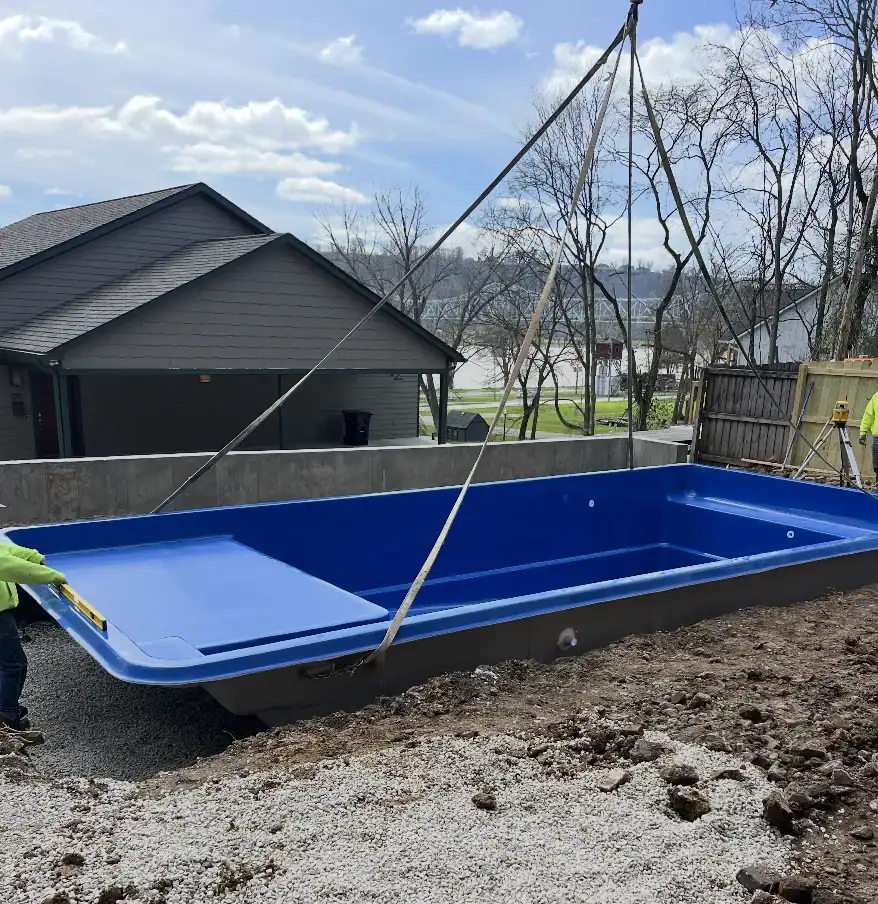
- Property access and crane placement: Getting a large fiberglass shell into a suburban backyard requires sufficient overhead and side clearance. Tight property lines, overhead utility lines, and narrow side gates may require a specialized crane to hoist the shell over your house. This adds an equipment rental fee to the installation ledger.
- Electrical service and equipment layout: Modern pool pumps, sanitization systems, and safety devices require dedicated electrical circuits. If your current main service panel lacks spare breaker slots, an electrician will need to install a subpanel or upgrade your home service to meet current regional safety codes.
- Yard restoration and grading: Moving heavy excavation machinery across your lawn inevitably displaces turf, sod, and irrigation heads. Allocating funds for grading, resetting sprinkler zones, and laying fresh sod ensures your finished yard matches the beauty of your new pool.
Permits, codes, and regulations for Florida pool installation
Installing an inground swimming pool in Florida requires strict adherence to state and municipal building regulations designed to protect children and ensure structural integrity. Before you even think about digging up your lawn, building permits must be filed, reviewed, and approved.
State residential swimming pool safety regulations require every outdoor pool to feature approved safety barriers. These measures include four-sided isolation fencing, self-closing and self-latching gates, specialized swimming pool safety covers, or window and door alarms on any entrance leading directly from the house to the pool deck. This changes from one municipality to another, so be sure to check the specifications for your specific area. Because of specific municipal setback requirements, drainage easements, barrier dimensions, and permit fees will vary from one county to another, homeowners should always consult their local building department before finalizing installation plans.
Working through the administrative process early prevents costly construction delays. Your site plan must demonstrate that your pool shell, pump pad, and decking sit entirely outside municipal drainage easements and utility right-of-ways. Ensuring that your layout satisfies all regional zoning rules safeguards your family and keeps your property fully compliant for your present day enjoyment and future resale.
Comparing fiberglass, concrete, and vinyl pool installation in Florida
Choosing the right pool surface shapes not only your initial installation price but also your ongoing maintenance commitment and family schedule for decades to come.
Fiberglass pools arrive at your home as a pre-molded, solid composite shell. The interior features a smooth gelcoat finish, which is an impervious, non-porous outer layer that resists algae growth and prevents rough scrapes on children’s feet. Because fiberglass does not alter water chemistry, you spend less money on balancing chemicals and less time scrubbing walls.
Details on Installation
Installation speed is a major benefit when it comes to fiberglass. While traditional concrete projects can continue for months, a fiberglass shell sets into the ground in just days. This allows your family to swim weeks after excavation starts. Pool Brokers USA has delivered more than 1,500 American-made fiberglass pools across 17 states, establishing a reliable record of quality for homeowners seeking efficient construction.
Concrete Pools
Concrete pools, often called gunite or shotcrete, allow for custom freeform shapes, but they carry a demanding construction process. On-site installation can tie up your yard for three to six months or even longer while concrete cures and interior plaster is hand-troweled. The porous texture of plaster harbors embedded algae, demanding higher chemical consumption, frequent acid washing, and expensive replastering every decade.
Vinyl Pools
Vinyl liner pools offer a lower initial entry price, but their thin interior membranes are vulnerable to damage from dog claws, dropped pool poles, and strong storms. In the intense Florida heat, ultraviolet rays break down vinyl material, requiring liner replacements every few years. When evaluating overall value over 15 years, the low maintenance, structural durability, and quick setup of fiberglass offer the most dependable return for busy families.
Owner-builder vs. full-service installation: which path is right for your Florida home?
Homeowners looking to install a pool generally choose between two distinct purchase paths: hiring a full-service general contractor or managing the installation under the owner-builder model.
Under a full-service arrangement, a single pool company handles the entire project from design submission to the final water fill. You receive a single, all-inclusive contract. While this hands-off approach requires minimal direct coordination on your part, you pay a management premium for the contractor’s overhead, sales commissions, and subcontractor markup. In busy metropolitan markets, full-service builders often carry extensive waiting lists that delay your project for months.
The owner-builder model puts you in direct financial control. In this setup, you purchase your pool shell direct from the manufacturer. You hire local licensed excavation specialists, plumbers, and certified electricians to complete their respective trades. By cutting out the middleman markup, owner-builders typically achieve total project costs between $30,000 and $50,000, saving $10,000 to $20,000 or more compared with full-service installation. You dictate the pace, approve each trade estimate personally, and direct your savings toward pool heaters, premium decking, or backyard landscaping.
For the average American family, acting as an owner-builder is entirely manageable when paired with the factory-direct broker approach. You receive detailed technical specifications, dig dimensions, and engineering documentation to hand straight to your excavation crew and local building officials. This keeps the process structured and predictable.
Extending your Florida swimming season with smart upgrades
While Florida enjoys plenty of sunshine, water temperatures drop during the late fall and winter months. Adding the right climate and safety accessories transforms your pool into a true year-round recreation retreat.
- High-efficiency pool heat pumps: Heat pumps capture ambient warmth from the humid Florida air and transfer it directly into your pool water. Because winter days in Florida often reach pleasant afternoon temperatures, heat pumps operate efficiently. They maintain comfortable swimming conditions from October through April without massive utility bills.
- Certified safety covers: A durable safety cover protects your pool when not in use. It keeps windblown leaves, palm fronds, and storm debris out of your water. This reduces filtration run times and cuts down on regular skimmer cleaning. More importantly, an anchored safety cover provides an impenetrable barrier that protects toddlers and pets.
Planning for these comfort upgrades during the initial design phase ensures that electrical circuits, plumbing bypass valves, and deck footings are installed correctly from day one. This saves you money on future retrofits.
Planning your Florida Backyard Oasis: Next steps for a smooth installation
Transforming your backyard into a personal sanctuary takes careful organization, clear goals, and an eye on your household budget.
Start by walking your property to evaluate sunlight exposure, boundary setbacks, and underground utility locations. Call your local utility locator service to map out buried electric, cable, and water lines before designing your layout. Next, measure your available yard space to select a shell size that leaves ample room for patio tables, safety walkways, and landscaping.
Once you establish your preferred layout, contact your municipal building division to collect residential permit applications and review local fencing ordinances. Gather written estimates from licensed local excavation and electrical subcontractors, then arrange pre-approved financing to lock in your project budget. Choosing an off-season delivery date in late autumn or winter often makes subcontractor scheduling easier. This ensures your water is balanced, warm, and ready for your family’s first summer cannonball contest.
Ready to bring your dream pool to life with clear pricing and expert guidance?
Request Your Free, No-Obligation Quote today to review factory-direct options and build a plan tailored to your budget.

Frequently Asked Questions About Florida Pools
What is the average cost to install a fiberglass pool in Florida?
Factory-direct fiberglass pool shells start at $12,500. For an owner-builder who coordinates local excavation, plumbing, electrical, and concrete patio contractors directly, total project costs typically range from $30,000 to $50,000. Full-service builder installations for the same pool models often run $10,000 to $20,000 higher due to contractor markups and sales overhead.
How much can I save by choosing the owner-builder pool installation route?
Acting as an owner-builder typically saves homeowners between $10,000 and $20,000 or more compared with full-service pool company contracts. By purchasing the fiberglass shell directly and paying independent local trades for excavation, electrical, and concrete work, you bypass general contractor fees while maintaining complete control over your schedule and budget.
Do I need a permit to install an inground pool in Florida?
Yes, every municipality and county across Florida requires building, electrical, and plumbing permits before you can install an inground swimming pool. Residential safety codes mandate that outdoor pools must include protective barriers, such as compliant perimeter fences, self-closing gates, or certified pool covers. Always consult your local building department to verify your specific regional requirements.
Are fiberglass pools durable enough for Florida sandy soil and weather?
Fiberglass pools perform exceptionally well in Florida because their flexible composite shells move naturally with shifts in sandy soils and fluctuating groundwater levels without cracking. The smooth, non-porous gelcoat surface resists algae growth in humid and stormy weather, cleans easily, and requires fewer chemicals than plaster-finished concrete pools.
Latest Posts
What Does a Fiberglass Pool Cost in Arkansas? Your Complete Guide
Florida Pool Installation Costs: Your Guide to Affordable Backyard Bliss
Protecting Your Backyard Oasis: Are In-Ground Pools Safe in Tornado Country?
Adding an Inground Pool in Hurricane-Prone Areas: Is It a Safe Investment for Your Family?
Adding a Pool to Your New Home Builds: A Builder’s Guide to Value and Efficiency
Ohio Pool Installation Guide: Costs, Timing, and What Homeowners Need to Know
Kentucky Pool Permit Process: Steps to Avoid Common Rejections
Georgia Pool Permit Requirements: Step-by-Step Guide for a Smooth Installation
Delaware Pool Permit Guide: What Homeowners Need to Know Before You Install
Alabama Pool Permits and Building Codes: Your Complete Compliance Guide
Visit Our Blog
Share This Post
(opens in a new tab)
(opens in a new tab)
(opens in a new tab)