

October 20, 2026
/
For home builders and general contractors, delivering projects on time and within budget while offering attractive upgrades to homebuyers is a constant balancing act. Integrating a pool into new home builds presents a unique opportunity to enhance property value and appeal, but it also introduces complexities. This guide explores how builders can efficiently incorporate pools into their new construction projects, focusing on predictable timelines, clear costs, and streamlined processes.
Why Consider a Pool for Your New Home Builds?
Adding a pool to a new home build is more than just another amenity; it is a strategic move that can significantly increase a property’s market appeal and value. In many communities, a pool is no longer considered a luxury but an expected feature, especially in warmer climates or higher-end developments. Offering a pool as a standard or upgrade option allows builders to differentiate their properties in a competitive market.
Homebuyers often envision their new house as a place for creating memories, and a swimming pool directly contributes to that vision. It transforms a backyard into a backyard oasis: a space for family gatherings, relaxation, and recreation. For builders, this translates into quicker sales cycles and potentially higher profit margins. Moreover, integrating the pool into the initial construction phase can reduce logistical challenges and costs compared to adding one post-completion.
The Benefits of Fiberglass Pools for New Construction
When considering pool options for new home builds, fiberglass pools stand out as a highly efficient and beneficial choice for contractors. Their unique construction and installation process directly address common pain points for builders, such as project delays and unpredictable costs.

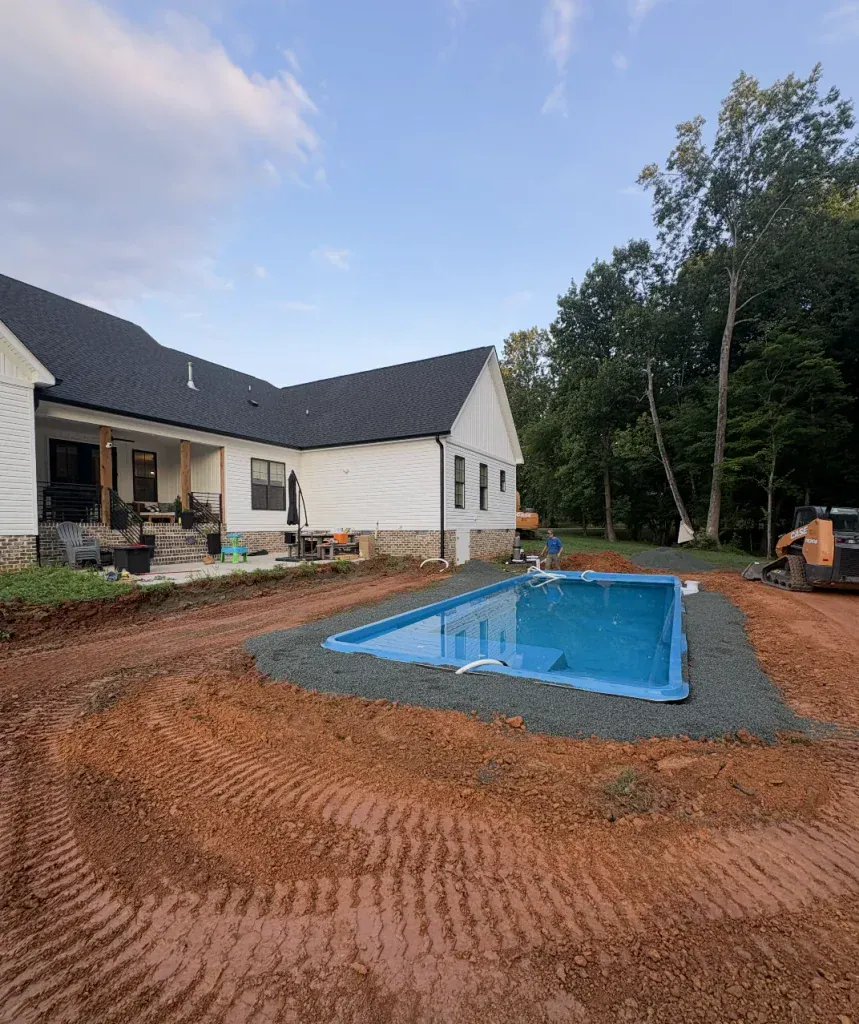
Fiberglass pools are manufactured as a single, pre-formed shell. This ready-made characteristic allows for a significantly faster installation time compared to traditional concrete or vinyl liner pools. Instead of weeks or months of on-site construction for a concrete pool, a fiberglass shell can be set and backfilled in a matter of days. This drastically reduces overall project timelines. This speed means less disruption to other construction phases and helps maintain a builder’s critical path schedule.
Durability is another key advantage. Fiberglass is a flexible material, allowing the pool shell to withstand ground movement, such as expansive soils or freeze-thaw cycles, without cracking. This inherent strength means less risk of future structural issues that could lead to costly repairs or warranty claims for the builder. Additionally, the non-porous surface of a fiberglass pool resists algae growth, reducing the need for harsh chemicals and extensive cleaning. This translates to low maintenance for the average American family, a major selling point for new home buyers who value convenience and lower long-term ownership costs.
Streamlining Your Project: The Pool Brokers USA Advantage
Partnering with a supplier who understands the dynamics of new home construction is crucial for seamless integration. Pool Brokers USA offers a model designed to simplify the process for builders. As a manufacturer-direct broker rather than just an installer, Pool Brokers USA provides direct pricing and transparent processes that benefit builders looking for efficiency and value.
This model allows for two genuine purchase paths. Builders can choose the owner-builder route, where the fiberglass shell is delivered directly to the site, accompanied by specifications, sequencing guidance, and support for permit and code compliance. This option gives builders greater control over the installation process and sub-contractor scheduling. Alternatively, builders can opt for fully coordinated installation through a vetted installer network. This offloads the direct management of the pool installation while still benefiting from competitive pricing. This flexibility helps builders control the biggest cost lever and avoid a single, take-it-or-leave-it contract often seen with traditional pool companies.
Pool Brokers USA has delivered more than 1,500 American-made fiberglass pools across 17 states, demonstrating a proven track record in reliable supply and support. The company’s lineup spans roughly 40 fiberglass models across three size classes, from the 8 by 10 foot Destin to the 16 by 42 foot St. Louis, available in six gel coat colors. This extensive catalog ensures builders can find a model that perfectly complements any new home design or community aesthetic, offering homebuyers a wide range of choices.
Cost and ROI: Making the Numbers Work for Builders
Understanding the financial implications is paramount for any builder. Adding a pool should be an investment that yields a strong return, both in terms of property value and efficient project management. Fiberglass pools offer a compelling value proposition that aligns with a builder’s need for predictable costs and significant savings.
With Pool Brokers USA, shells start at $12,500. For builders considering the owner-builder path, total projects typically run $30,000 to $50,000, once excavation, electrical, permits, and finishing touches are accounted for. This approach can save $10,000 to $20,000 or more compared with full-service installation from traditional pool contractors. These savings directly contribute to healthier profit margins for the builder or can be passed on to the homebuyer, making the new home package even more attractive.
From a return on investment (ROI) perspective, integrating a pool into a new home build can significantly boost property equity. While various factors influence the exact figure, a pool typically adds value in the 5-8% range to a home’s appraisal. This can be a substantial increase, making the property more competitive and desirable in the market. Beyond the direct financial return, the ability to offer a move-in ready home with a complete backyard oasis can accelerate sales velocity. This reduces holding costs and improves cash flow for the builder.
To manage the investment, flexible financing options are often available, which can be an attractive benefit to potential homebuyers. Partners like VistaFi and HFS Financial offer transparent, education-first paths to affording a pool, ensuring buyers understand their options and can integrate the pool cost into their mortgage or a separate loan.
Integrating a pool into new home construction requires a clear understanding of the permitting and regulatory landscape. While specific requirements vary by jurisdiction, builders should anticipate a process that involves several key steps and considerations. Approaching this proactively helps avoid delays and ensures compliance.
The initial step typically involves obtaining a building permit for the pool itself, separate from the main home construction permit. This permit application will usually require detailed plans, including pool dimensions, depth, location on the property, and drainage solutions. Site-specific considerations like setbacks from property lines, utility easements, and septic fields are critical. Builders will also need to demonstrate how the pool will meet local safety codes, which often include requirements for fencing, alarms on doors leading to the pool area, and safety covers.
Get an overview on state-by-state permit processes on our blog.
Electrical work for pumps, lighting, and heating systems must comply with local electrical codes and often necessitates a separate electrical permit and inspection. Similarly, plumbing connections for water supply and drainage systems will require adherence to local plumbing codes. It is also important to consider excavation and grading plans to ensure proper drainage away from the house and the pool structure.
Builders should factor in time for plan review and multiple inspections throughout the installation process. These inspections can range from excavation to final electrical and safety checks. Consulting with local building departments early in the planning phase can provide clarity on specific requirements and expedite the approval process. While this article provides general guidance, builders should always direct their inquiries to their local building department for precise, jurisdiction-specific information.
Partnering for Success: How to Integrate Pool Installation
Successful integration of a pool into a new home build hinges on effective partnership and meticulous scheduling. For builders, the goal is to add value without adding undue complexity or delays.
The process begins with early planning. By selecting the pool model and determining its precise location on the lot during the initial design phase, builders can seamlessly incorporate excavation, utility runs, and landscaping into the overall construction schedule. Coordinating with the pool supplier to schedule the shell delivery is a critical step. Fiberglass shells are delivered factory-direct as a single unit. This means site access and crane placement need to be considered well in advance.
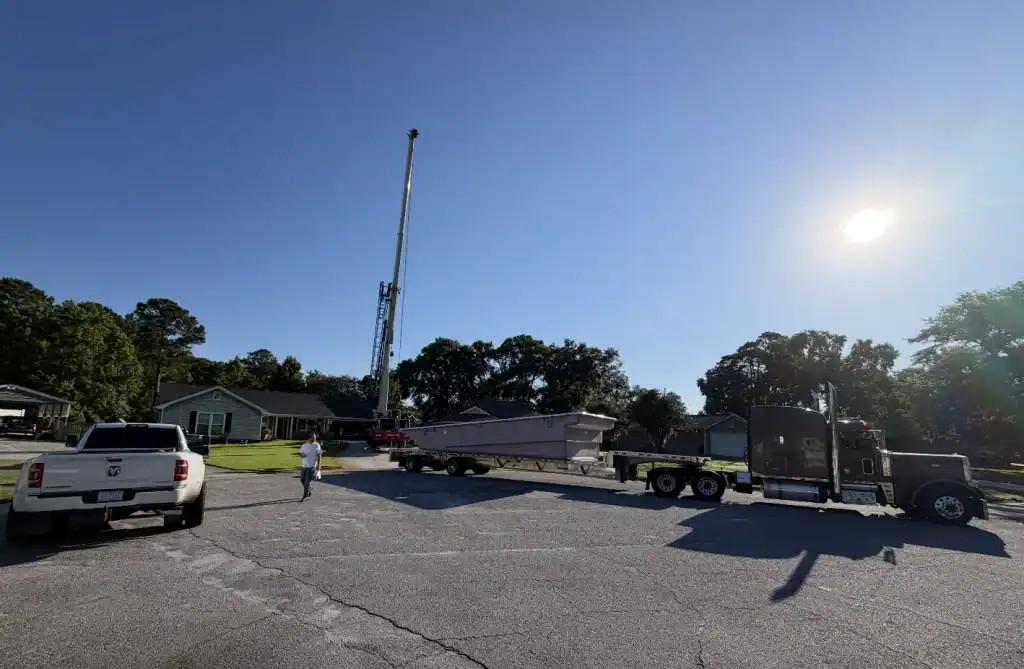
Once the shell is set, coordinating the remaining trades becomes efficient. Excavation and site preparation can align with grading for the home’s foundation. Electrical contractors can run lines for the pool’s equipment simultaneous with the home’s main electrical rough-in. Plumbing can be integrated with the home’s water and sewer systems. The key is communication and clear sequencing, treating the pool installation as another critical path item within the larger home construction project.
Partnering with a supplier who provides comprehensive support, including technical specifications, installation guides, and permit assistance, can further streamline the process. This support empowers builders to manage the pool installation, whether through their own crew or trusted subcontractors, without becoming pool experts themselves. The focus remains on leveraging fiberglass pools’ inherent speed and ease of installation to complement, not complicate, the home building process.
Choosing the Right Pool for Your New Homes
Selecting the ideal pool for new home builds involves balancing aesthetic appeal, functionality, and cost-effectiveness. Given the diverse needs of homebuyers and varying lot sizes, builders benefit from a versatile product catalog. Pool Brokers USA offers a lineup of roughly 40 fiberglass models across three size classes, available in six gel coat colors.
First, consider the size and shape that best fits the typical lot dimensions in your development. Pool Brokers USA offers a wide range of models, including compact options for smaller yards and larger designs for more expansive properties.
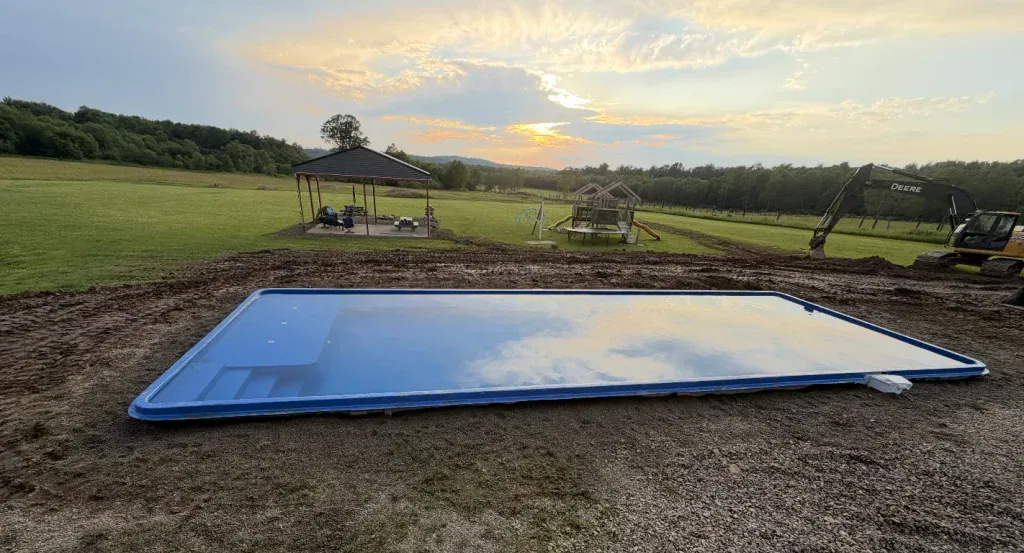
Next, think about the features that add the most value and appeal to your target demographic. Does your market prefer pools with integrated tanning ledges for relaxation? Or models with deep ends for diving? The design of the pool should complement the architectural style of the new homes and the overall community aesthetic.
Finally, prioritize pools known for low maintenance and durability. Fiberglass pools, with their smooth, non-porous surfaces, require less cleaning and fewer chemicals compared to concrete pools. This long-term benefit is a strong selling point for homebuyers, assuring them of a beautiful and easy-to-care-for backyard oasis. By offering well-designed, durable, and cost-efficient fiberglass pools, builders can provide an upgrade that consistently delights new homeowners.
Partner With Us
Integrating pools into your new home builds does not have to be a source of stress or delay. By leveraging the efficiency and value of fiberglass pools, combined with a transparent, builder-focused partnership model, you can enhance your properties, appeal to more buyers, and streamline your construction process.
When you are ready to put real numbers on your project and explore how fiberglass pools can fit into your new home builds, Pool Brokers USA is here to help.
Learn more about our special programs for home builders or request a quote to get started building homes with pools today.
Latest Posts
Adding a Pool to Your New Home Builds: A Builder’s Guide to Value and Efficiency
Ohio Pool Installation Guide: Costs, Timing, and What Homeowners Need to Know
Kentucky Pool Permit Process: Steps to Avoid Common Rejections
Georgia Pool Permit Requirements: Step-by-Step Guide for a Smooth Installation
Delaware Pool Permit Guide: What Homeowners Need to Know Before You Install
Alabama Pool Permits and Building Codes: Your Complete Compliance Guide
South Carolina Pool Laws: What Homeowners Must Know Before You Build
North Carolina Pool Building Codes: Hurricane-Ready Fiberglass Best Practices
Mississippi Pool Installation Guide: Permits, Contractor Licensing, and What Homeowners Need to Know
Indiana Pool Permit Guide: Installation, Climate, and Local Requirements
Visit Our Blog
Share This Post
(opens in a new tab)
(opens in a new tab)
(opens in a new tab)