

October 20, 2026
/
For the average American family living in coastal regions like Florida, Louisiana, Mississippi, or the Carolinas, the idea of adding an inground pool often comes with a question: Is it truly a safe and smart investment given the threat of hurricanes? You envision splashing, laughter, and creating lifelong memories in your own backyard, but the worry of severe weather can feel like a major obstacle. The good news is that with the right planning, materials, and installation practices, your dream of a Backyard Oasis can absolutely become a resilient reality, even in hurricane-prone states.
This article explores how inground pools, particularly those made of fiberglass, offer durability and peace of mind. We’ll look at why fiberglass stands out, what preparation steps are crucial, and how to protect your investment before, during, and after a storm. Building a pool in these areas requires informed decisions and attention to detail, but it doesn’t have to mean sacrificing your family’s dream.
Should You Consider a Pool in Hurricane-Prone Regions?
Many families living in coastal areas share a common desire to transform their backyard into a personal retreat. This is a place where children can learn to swim, teenagers can gather, and adults can unwind. A pool can host summer afternoons, weekend cookouts, and precious moments spent together. The allure of cool water on a hot day is particularly strong in humid, hurricane-prone states.
The concern about hurricane damage is valid. You might wonder if a significant investment like a pool is wise when severe storms are a possibility. The key is to choose and install one thoughtfully by focusing on resilience and long-term value. With advancements in pool technology and installation methods, you can build a beautiful pool designed to withstand the challenges of hurricane season. It is about understanding the risks and proactively mitigating them to ensure your backyard oasis is a source of joy.
Fiberglass Pools: Your Resilient Choice for Hurricane Zones
When considering an inground pool in areas susceptible to hurricanes, the choice of material is paramount. Fiberglass pools stand out as an affordable and durable option compared to concrete or vinyl liner pools. These structures offer inherent advantages that contribute to their resilience in challenging environments.
Imagine your pool shell as a single, flexible unit. This is precisely what a fiberglass pool is: a factory-molded, one-piece structure. This design gives it remarkable flexibility. Unlike rigid concrete pools, which can crack under the stress of ground movement, a fiberglass shell can flex with shifting soils. This is a critical benefit in regions where saturated ground or fluctuating water tables are common after heavy rains.
The smooth, non-porous gelcoat surface of a fiberglass pool is another significant advantage. This gelcoat is exceptionally durable and resistant to water penetration, preventing issues like blistering or osmotic damage. It also resists algae growth and reduces the need for harsh chemicals. This translates to lower maintenance for you. After a storm, a fiberglass pool is typically much easier to clean and restore because debris does not easily adhere to its smooth surface.
Furthermore, fiberglass is impervious to the freeze-thaw cycles that can impact pool structures in regions where temperatures drop. This means the material itself will not degrade due to freezing water while maintaining its structural integrity. The combination of flexibility, a robust gelcoat, and material stability makes fiberglass an ideal choice for the demanding conditions of hurricane-prone areas. It is built to last, offering durability that protects your investment and ensures more years of family fun.
Understanding Hurricane Risks and Pool Safety
Living in a hurricane state means understanding the specific risks that severe weather poses to your property. For pools, the primary concerns include:
- Flooding and Water Surges: Heavy rainfall and storm surges can lead to rapidly rising water levels. This may potentially overfill or even lift an inground pool if the hydrostatic pressure from external groundwater becomes too great.
- High Winds and Debris: Hurricane-force winds can cause significant damage by blowing trees and patio furniture into the pool. This debris can scratch surfaces, tear liners, or even crack more brittle pool materials.
- Power Outages: Extended power outages can disrupt circulation and filtration systems. This leads to water chemistry imbalances and algae growth if not managed properly.
To address these risks, local building departments in hurricane-prone states often have specific regulations. These can include requirements for pool setbacks from property lines, fencing specifications, and stormwater management plans. It is crucial to consult your local building department, as they are the authority on jurisdiction-specific requirements for pool installation. They ensure your project complies with all safety and structural standards for your area. Following these guidelines is not just about compliance; it is about building a safer pool for your family.
Pre-Installation Steps for Hurricane-Ready Pools
Building a hurricane-ready pool starts long before the first shovel breaks ground. Thoughtful planning and specific pre-installation steps are critical to ensuring your Backyard Oasis can withstand severe weather.
First, site selection and proper drainage are essential. Your pool’s location should consider natural water flow during heavy rains. An experienced installer will assess your property’s grade and soil composition to determine the best placement. Ensuring adequate drainage around the pool deck can prevent water from pooling. This prevents the ground surrounding the shell from saturating and exerting undue pressure.
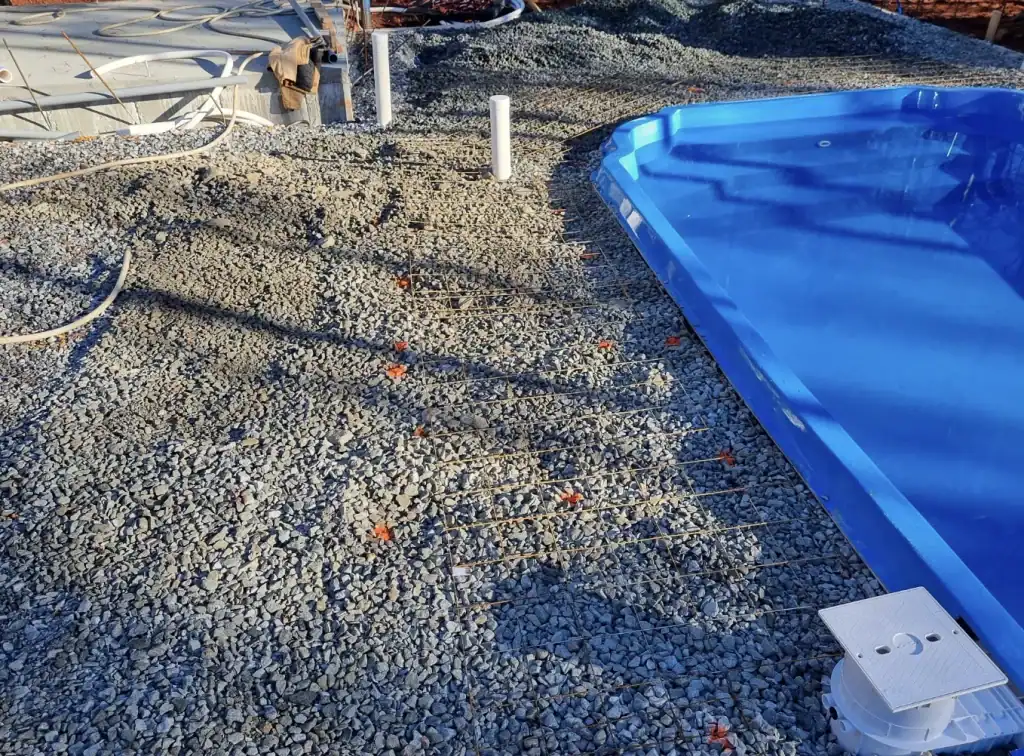
Next, anchoring systems play a vital role. For fiberglass pools, specific installation techniques are used to secure the shell in the ground. This prevents it from floating or shifting during extreme hydrostatic pressure events. This often involves strategic backfilling and the use of a crushed-stone base beneath and around the shell. This crushed-stone layer provides stability during installation while helping with long-term drainage.
Professional installation of the pool shell significantly contributes to storm resilience. While the owner-builder model offers substantial savings, the core structural elements require expertise. A knowledgeable team ensures the shell is correctly set, leveled, and backfilled to create a stable foundation. Part of this process includes implementing a robust perimeter drainage system which manages groundwater around the pool. This is particularly important in regions with high water tables, as it helps prevent hydrostatic pressure. The goal is to manage water both inside and outside the pool effectively.
During and After the Storm: Protecting Your Investment
Once your inground pool is installed, knowing how to prepare it for an impending hurricane is key to protecting your investment.
Before a hurricane makes landfall, there are several practical steps homeowners can take:
- Do not completely drain the pool. While it might seem counterintuitive, an empty inground pool is highly susceptible to shifting due to hydrostatic pressure from saturated soil. Lower the water level only slightly to allow for heavy rainfall without overflowing. Keep enough water in the pool to counteract external pressure.
- Secure loose items. Remove all patio furniture, toys, covers, and cleaning equipment that could become airborne. Store them indoors or secure them tightly.
- Turn off electrical components. Shut off power to your pool pump, filter, heater, and other electrical accessories at the breaker. This prevents damage from power surges or electrical shorts if flooding occurs.
- Consider a safety cover. If you have a safety cover, install it. This can help prevent large debris from entering the pool and potentially damaging the plumbing.
After the storm has passed and it is safe to assess damage, begin post-storm recovery:
- Clear debris. Carefully remove any debris from the pool and surrounding area. Use appropriate tools to avoid scratching the pool’s gelcoat surface.
- Check for damage. Inspect the pool shell, plumbing, and equipment for any visible damage. If you notice cracks, leaks, or significant displacement, contact a pool professional.
- Restore water balance. Once power is restored, run your filtration system and test the water chemistry. Heavy rain can dilute chemicals and introduce contaminants, so you must rebalance your pH, alkalinity, and chlorine levels.
- Address flooding. If your equipment pad flooded, ensure everything is completely dry before turning on power. If needed, have an electrician inspect the system.
These measures can significantly reduce potential damage and help ensure your pool remains fun and functional.
Cost and Value: Making a Smart Decision for Your Backyard Oasis
Investing in an inground pool for your home is a decision that balances upfront costs with long-term value. For the average American family, finding an affordable solution that delivers lasting quality is paramount.
Fiberglass pools offer compelling long-term value. Their durable construction and low-maintenance nature translate to savings over the lifetime of the pool. Unlike concrete pools that require frequent resurfacing or vinyl liners that need replacement, fiberglass pools maintain their finish with minimal effort. This means more time enjoying your pool and less money spent on costly repairs.
When considering the initial investment, transparency in pricing is key. For example, fiberglass pool shells start at just $12,500. For families opting for the owner-builder model, total project costs typically run between $30,000 and $50,000. This approach can save you $10,000 to $20,000 or more compared to full-service installation. This puts a durable inground pool within reach for many budgets.
Flexible financing options are also available to make pool ownership even more accessible. We work with dedicated pool-financing partners, such as VistaFi and HFS Financial, who offer transparent paths to affording a pool. These programs can help turn the total project cost into manageable monthly payments.
Regarding home value, adding an inground pool should be framed cautiously. While a pool enhances lifestyle significantly, the increase in home value typically falls in the 5% to 8% range. This can vary widely based on location, climate, and the quality of the installation. Ultimately, the greatest value of an inground pool lies in the memories and enhanced family life it provides.
Finding the Right Partner for Your Hurricane-Proof Pool
Choosing the right partner for your pool project is a critical decision. You need expertise and a commitment to quality that ensures your pool is resilient.
Look for a provider with deep knowledge of fiberglass pools and experience with installations in diverse environments. This includes understanding the specific geological and climatic challenges of pools in hurricane state locations. A knowledgeable partner can guide you through the intricacies of site preparation, drainage solutions, and robust anchoring systems.
One valuable model to consider is the manufacturer-direct broker approach. This allows for direct access to American-made fiberglass pools with transparent pricing by eliminating middlemen markups. For instance, Pool Brokers USA has delivered more than 1,500 American-made fiberglass pools across 17 states. This model also provides two genuine purchase paths: the owner-builder option or fully coordinated installation through a vetted network. This flexibility empowers you to control your budget and project timeline.
When you’re ready to put real numbers on your project, request a free, no-obligation quote. A reliable partner like Pool Brokers USA will walk you through models, delivery specifics, and the total project cost for your area.
Latest Posts
What Does a Fiberglass Pool Cost in Arkansas? Your Complete Guide
Florida Pool Installation Costs: Your Guide to Affordable Backyard Bliss
Protecting Your Backyard Oasis: Are In-Ground Pools Safe in Tornado Country?
Adding an Inground Pool in Hurricane-Prone Areas: Is It a Safe Investment for Your Family?
Adding a Pool to Your New Home Builds: A Builder’s Guide to Value and Efficiency
Ohio Pool Installation Guide: Costs, Timing, and What Homeowners Need to Know
Kentucky Pool Permit Process: Steps to Avoid Common Rejections
Georgia Pool Permit Requirements: Step-by-Step Guide for a Smooth Installation
Delaware Pool Permit Guide: What Homeowners Need to Know Before You Install
Alabama Pool Permits and Building Codes: Your Complete Compliance Guide
Visit Our Blog
Share This Post
(opens in a new tab)
(opens in a new tab)
(opens in a new tab)