

October 19, 2026
/
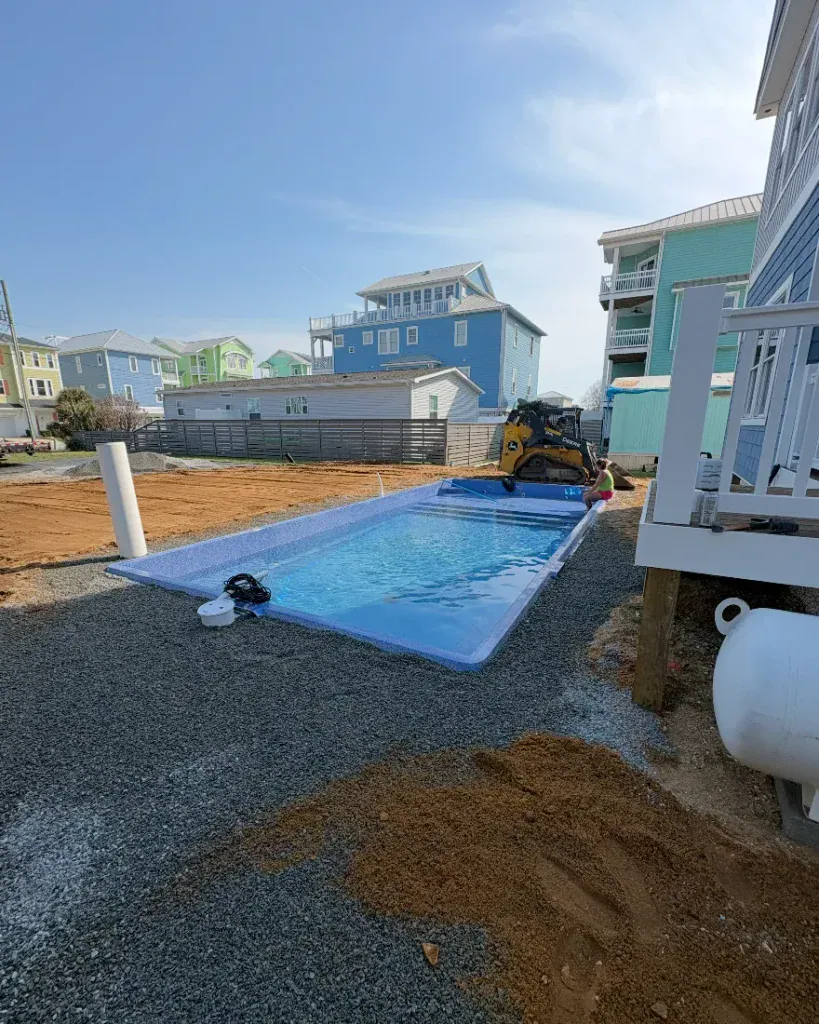
Installing a pool in sandy soil is one of the easier digs to get a pool in the ground, and one of the easier ways to get a slow-motion problem if the backfill is done wrong. Sand drains beautifully, which fiberglass shells love, but it lacks cohesion: it shifts, migrates, and erodes around a pool unless the base, backfill, and edges are built to lock it in place. The fix is standard and well understood: an angular crushed-stone base and backfill, compacted in lifts, with the pool’s perimeter protected from washout.
If your yard is sandy, you’re likely in coastal or river-plain country where half the neighborhood shares your ground. The excavators know it, the fix is proven, and a fiberglass pool is genuinely well suited to it.
This guide explains what sandy ground does well, where it bites, the backfill and compaction details that keep a shell and its deck level for decades, and what it all means if you’re considering the owner-builder path.
Key Takeaways
- Sandy soil digs easily and drains well, both good for fiberglass pools, but it lacks cohesion, so it shifts and migrates unless properly confined.
- The stability fix is angular crushed stone, not native sand, for the base and backfill: crushed stone locks together under load, while sand backfill can wash and settle.
- Backfill goes in gradually as the pool fills with water, in compacted lifts, keeping pressure balanced on both sides of the shell wall.
- Edge protection matters most: decking, drainage, and washout control around the perimeter keep sand from migrating out from under everything.
- Sandy sites often come with high water tables; groundwater management during the dig and a plan for hydrostatic pressure are part of an honest scope.
What sandy soil gets right for a fiberglass pool
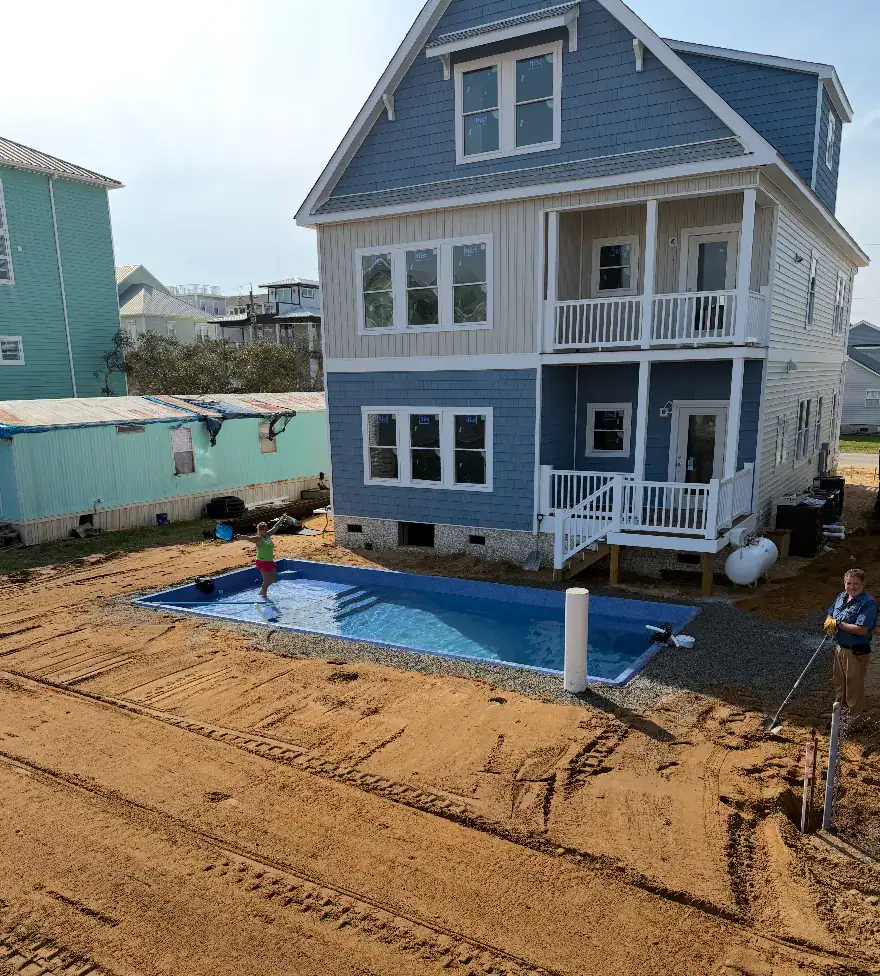
Sand excavates fast and clean. There’s no rock to hammer, no heavy clay to fight, and dig day in sandy ground is often the smoothest line item in the whole project. That usually shows up as a friendlier excavation number than the same pool in rocky or clay-heavy ground.
Sand also drains. Water moves through it instead of pooling against the shell, which means less of the water-driven trouble that plagues pools in expansive clay: less hydrostatic buildup after storms, less freeze-season heaving where winters bite, less standing water around equipment. A fiberglass shell, which flexes rather than cracks, pairs naturally with ground that lets water pass through.
Sandy regions come with experienced local trades. If you’re on the coastal plain, every excavator and pool sub in the county has set pools in your exact conditions. That local fluency is worth real money in avoided mistakes.
Curious how a shell install actually flows from dig to swim? See how your pool order comes together step by step before you scope the sitework.
Where sandy ground bites: cohesion, migration, and washout
Sand’s weakness is the mirror image of its strength. The same loose structure that makes it easy to dig makes it unwilling to hold a shape.
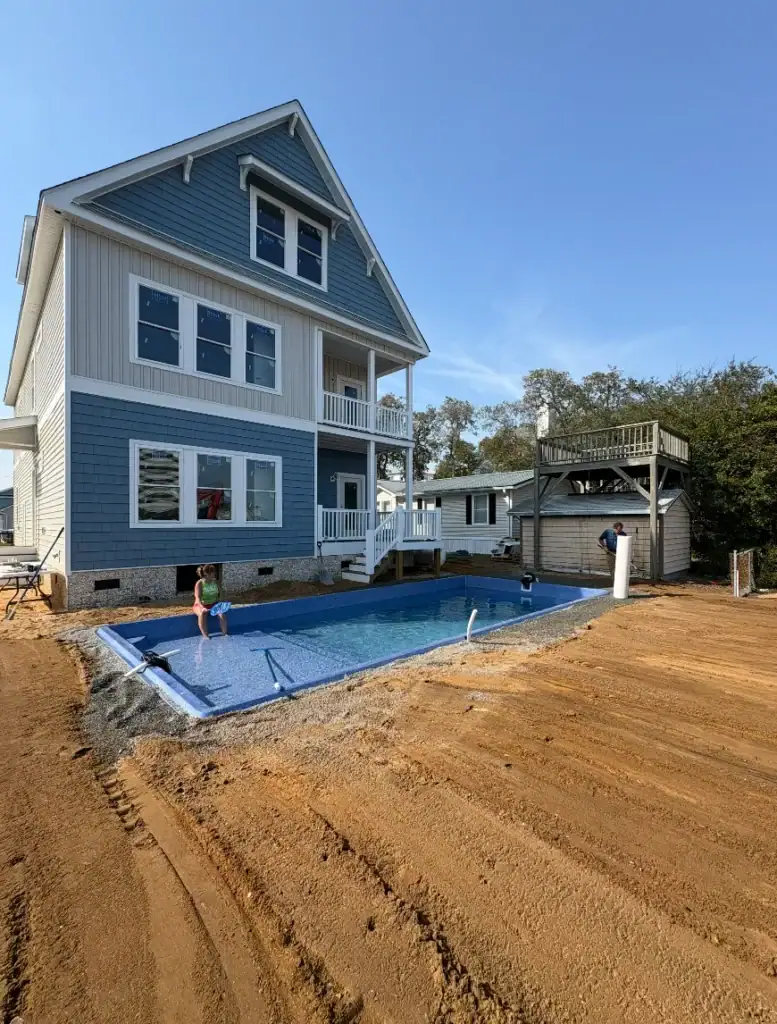
Three specific behaviors matter for a pool:
- Trench and wall slump. Freshly cut sandy walls don’t stand vertically the way clay does. Excavations may need to be cut wider with sloped sides, and the crew needs a plan for keeping the hole true until the shell is set.
- Migration. Loose sand moves with water. Rain and groundwater can carry fine particles out from under and around structures, slowly opening voids that let backfill, decking, and coping settle.
- Washout at the edges. The pool’s perimeter, where roof runoff, splash-out, and deck drainage concentrate, is where sandy ground erodes first. An unprotected edge is how a level deck develops a lean in year three.
None of this is new information, and none of it should hold you back from installing a pool in a sandy lot. It just defines the job: confine the sand, control the water, and protect the edges.
Not sure what you’re actually standing on? The USDA’s free Web Soil Survey maps soil composition for nearly every parcel in the country and tells you in minutes whether you’re on true sand, loamy sand, or something mixed.
The backfill answer: crushed stone, placed right
Here’s the heart of pool wall support in sandy ground, and the section worth reading twice if you’re weighing the owner-builder path.
Use angular crushed stone, not native sand, for the base and backfill. It’s tempting to push the excavated sand back around the shell; it’s free and it’s right there. But sand backfill in sandy ground compounds the migration problem. Angular crushed stone does the opposite: the sharp edges lock together under load, it drains even better than sand, and it doesn’t wash away or re-settle once placed. That’s why a crushed-stone base and backfill are the standard spec for fiberglass shells, and in sandy soil the case is even stronger.
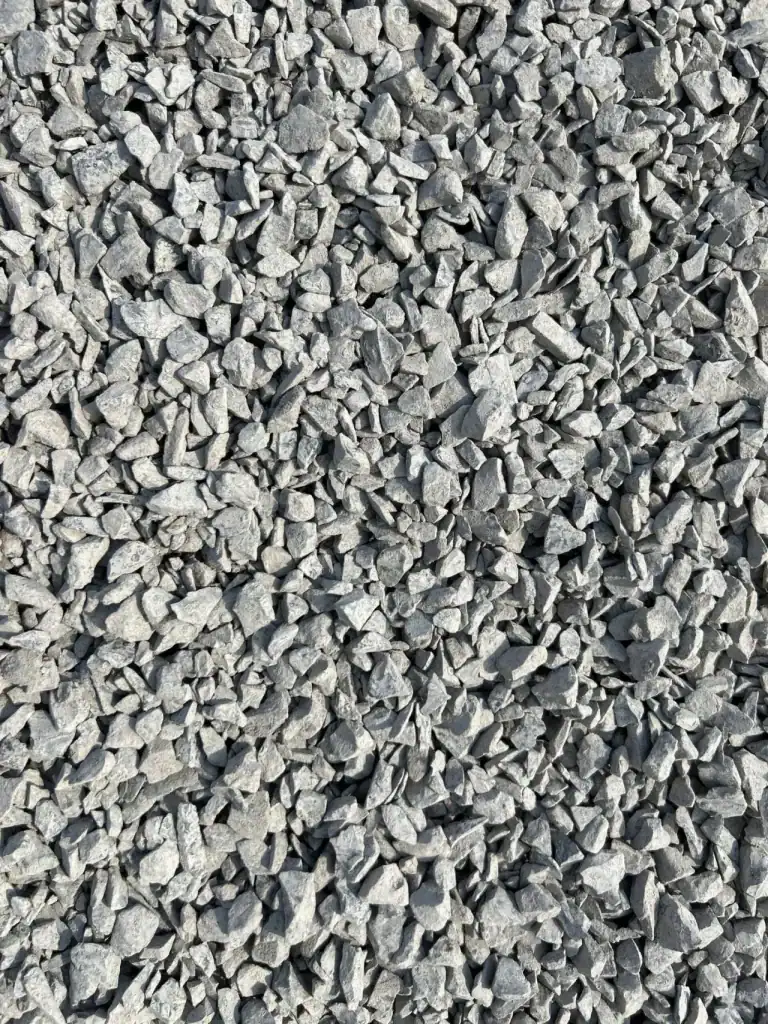
Place backfill in lifts, in step with the water fill. A fiberglass shell wants balanced pressure: water rising inside, backfill rising outside, in coordinated stages of a foot or so at a time, each lift settled before the next. Backfilling too fast against an empty shell pushes walls inward; filling the pool far ahead of the backfill bellies them outward.
Separate stone from sand where they meet. In fine, loose sands, a geotextile fabric between native ground and the stone envelope keeps sand from migrating into the stone’s voids over the years, preserving the drainage and the support you paid for.
Plan for groundwater before the dig. Sandy sites, especially coastal ones, often carry high water tables. That can mean dewatering during excavation and always means respecting hydrostatic pressure afterward: never drain the pool without professional guidance, and confirm the install includes appropriate relief provisions.
If you’re acting as your own general contractor, these are exactly the specs to hold your excavator and backfill crew to. Our owner-builder installation guide covers how the guidance and documentation work.
Keeping the deck and edges stable for the long haul
The shell, sitting in its locked stone envelope, is usually the easy part. The ground around it is where sandy sites earn their reputation, so give the perimeter the same engineering attention:
- Compact deck subgrade properly. Decking poured over loose sand settles unevenly. The sub-base under concrete or pavers needs compaction in lifts, same discipline as the backfill.
- Direct water away. Gutters, grading, and deck slope should move rainwater away from the pool perimeter, not let it sheet along the coping where it can carry sand with it.
- Contain the edges. Deck edging, borders, and landscaping that hold the surrounding sand in place stop the slow sideways migration that undermines patios.
- Walk the perimeter each season. Sandy-site maintenance is mostly observation: a low paver corner or a small void appearing near the deck edge is a cheap fix early and an expensive one after five years of ignoring it.
Done this way, a fiberglass pool in sandy soil is as stable as one in any ground, and it got there with an easier dig. Browse our fiberglass inground pools to see the models this applies to, and if you’re still at the planning stage, our guide to preparing your yard for installation covers the groundwork that comes first.
Frequently asked questions
Can you install an inground pool in sandy soil?
Yes, and in some ways it’s the easiest ground to work with: sand digs quickly and drains well. The requirement is proper confinement, an angular crushed-stone base and backfill placed in compacted lifts, plus edge drainage and washout protection, because loose sand shifts and migrates if left to support the pool on its own.
What is the best backfill for a pool in sandy soil?
Angular crushed stone. Its sharp edges lock together under load, it drains freely, and it doesn’t migrate or re-settle the way returned sand does. In fine sands, a geotextile fabric between native ground and the stone keeps particles from washing into the backfill over time.
Will a fiberglass pool shift or settle in sand?
Not when installed to spec. The shell sits in a compacted crushed-stone envelope that locks it in place, with backfill raised in step with the water fill to keep wall pressure balanced. The settling risk in sandy sites is mostly around the pool, under decking and edges, which is why subgrade compaction and perimeter drainage get the same attention as the hole.
Is sandy soil better than clay for a pool?
For drainage and excavation, yes: sand digs easier and sheds water instead of holding it against the shell like expansive clay. The tradeoff is cohesion, sand needs confinement and washout protection where clay needs water management. Both grounds host excellent fiberglass installs; they just shift where the engineering attention goes.
Do sandy sites have groundwater problems?
Often, especially near coasts and rivers, where sandy soil and high water tables travel together. That can mean dewatering during excavation and always means respecting hydrostatic pressure afterward: never fully drain a fiberglass pool without professional guidance, and confirm your installation plan accounts for groundwater.
The bottom line on sandy-soil installs
Installing a pool in sandy soil trades one problem set for another, and the trade favors you. You give up nothing on drainage, gain an easy dig, and take on one clear engineering job: confine the sand with a crushed-stone base and backfill, keep the pressure balanced during the fill, and protect the perimeter from washout. Every experienced installer in sandy country knows this playbook by heart.
If your yard is sand, the next step is a site-specific plan rather than a generic one. Request your free, no-obligation quote and we’ll put backfill guidance, specs, and real numbers against your actual ground, for the owner-builder path or a coordinated installation.
Latest Posts
From Order to First Swim: A Realistic Fiberglass Pool Timeline
Does a Pool Raise Your Homeowners Insurance? What to Expect
Installing a Fiberglass Pool in Rocky Soil: Excavation Realities
Fiberglass Pool Costs in Mississippi: Your Guide to Value and Savings
What Does a Fiberglass Pool Cost in Arkansas? Your Complete Guide
Florida Pool Installation Costs: Your Guide to Affordable Backyard Bliss
Protecting Your Backyard Oasis: Are In-Ground Pools Safe in Tornado Country?
Adding an Inground Pool in Hurricane-Prone Areas: Is It a Safe Investment for Your Family?
Adding a Pool to Your New Home Builds: A Builder’s Guide to Value and Efficiency
Ohio Pool Installation Guide: Costs, Timing, and What Homeowners Need to Know
Visit Our Blog
Share This Post
(opens in a new tab)
(opens in a new tab)
(opens in a new tab)