

November 24, 2026
/
Installing an in-ground swimming pool in Delaware typically requires an investment that varies based on the construction method, site preparation, and project management approach you select. Our projects begin at $12,500 for a factory-direct fiberglass pool delivery, but the full installment ranges from $20,000-$50,000 total. It all depends whether or not you choose to take on an owner-builder project or work with us for a full-service installation.
When evaluating the total cost, flexible financing options can help break down the overall investment into predictable monthly payments, making a backyard swimming pool accessible without placing undue strain on your family budget.
How much does it cost to install an inground pool in Delaware?
The total investment required to build an in-ground pool in Delaware depends primarily on whether you choose a fiberglass shell, a poured concrete structure, or a vinyl liner package. While traditional full-service builder quotes often climb quickly due to heavy contractor markups, managing portions of the project yourself can dramatically reduce total expenditures.
Pool Brokers USA factory-direct fiberglass shells start at $12,500, and complete owner-builder installations generally fall between $30,000 and $50,000 once excavation, plumbing, concrete decking, and equipment pads are completed. This path consistently provides savings of $10,000 to $20,000 or more compared with turnkey pool contracting packages.
Because project totals vary based on property needs, exploring financing options early in your planning allows you to evaluate your purchasing power realistically. Securing pre-approval for a home improvement loan helps you plan the pool size, landscaping, and safety features with confidence. Rather than viewing the project as a single intimidating price tag, structured financing plans allow you to spread the cost over manageable monthly terms tailored to your household budget.
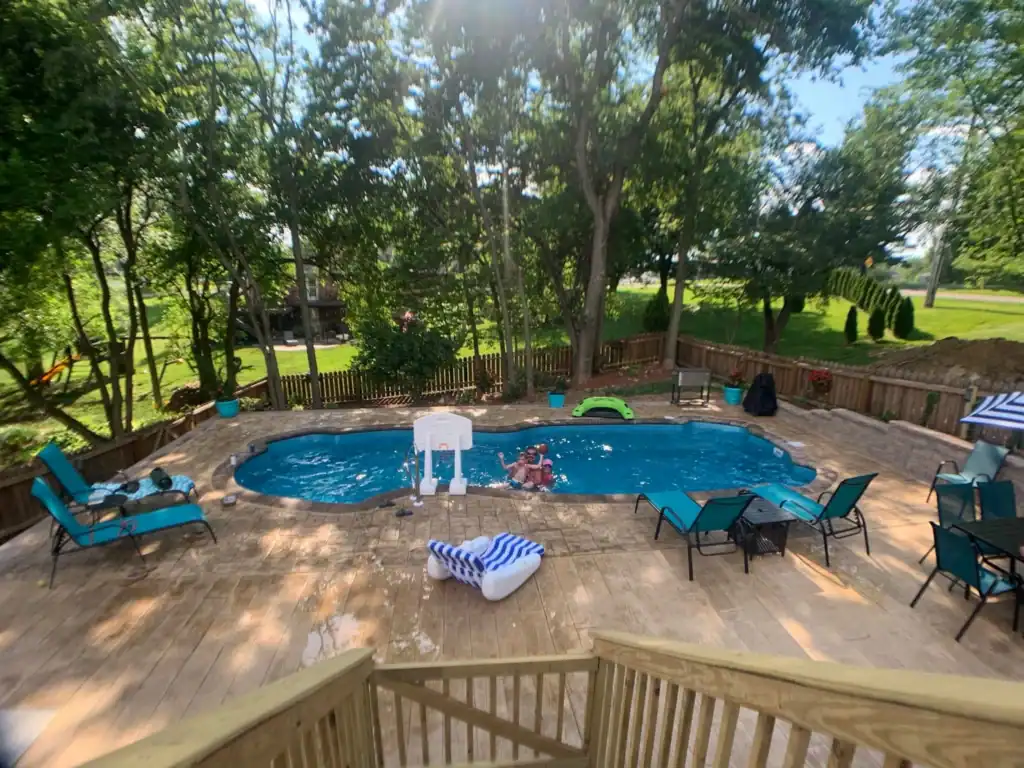
What factors influence fiberglass pool costs in Delaware?
Every property in the First State has unique site conditions that affect the overall swimming pool prices Delaware homeowners will encounter during installation. Geography plays a major role in site-preparation costs.
In southern areas like Sussex County, sandy soil conditions often make digging straightforward, but high water tables near the coast may necessitate specialized dewatering pumps or gravel backfill to manage hydrostatic pressure. In New Castle County, denser clay and subsurface rock can require specialized excavation machinery, slightly increasing initial labor expenses.
Beyond the dirt work, several practical elements shape the final cost to build a pool Delaware families must account for during planning:
- Excavation and access: The distance between your driveway and the dig site affects machinery access. Tight fence lines or mature trees may require temporary fence removal or smaller, specialized machinery.
- Backfill material: High-quality clean crushed stone is essential for supporting a fiberglass shell. It locks into place, does not compact over time, and promotes excellent perimeter drainage around the shell walls.
- Electrical hookups and bonding: Running dedicated subpanels, timers, variable-speed pumps, and salt systems requires a licensed trade professional to ensure proper grounding and safety compliance.
- Surrounding hardscape: A basic concrete apron is necessary to stabilize the pool coping, but expanding your patio to include pavers, natural stone, or stamped concrete will scale your total investment accordingly.
- Site drainage and grading: Diverting rainwater away from the pool area with swales or French drains protects your patio from shifting during harsh freeze-thaw cycles.
Accounting for these variables upfront ensures you maintain control over your budget without facing surprise contractor bills midway through construction.
Fiberglass vs. concrete vs. vinyl: which offers the best value?
Choosing the right pool material is the single most important decision for your long-term budget. While upfront quotes can vary, looking at the long-term total cost of ownership reveals significant differences between fiberglass, concrete, and vinyl liner pools.
Concrete pools offer endless shape customization, but they carry the highest upfront and lifetime costs. Constructing a concrete pool involves weeks of noisy on-site work, with crews spraying gunite and hand-troweling plaster. In Delaware, winter temperature swings cause ground movement that can lead to surface cracks in rigid concrete. Furthermore, concrete has a porous surface that harbors algae. This requires constant chemical balancing, frequent acid washing, and expensive replastering every decade.
Vinyl liner pools often present an appealing lower initial purchase price, making them tempting for budget-minded shoppers. However, vinyl liners are fragile. Pet claws, stray tree branches, and pool toys can puncture the material. Even under ideal conditions, Delaware sun exposure and sanitizing chemicals degrade vinyl. This necessitates recurring liner replacements. These periodic replacements quickly erode any initial savings.
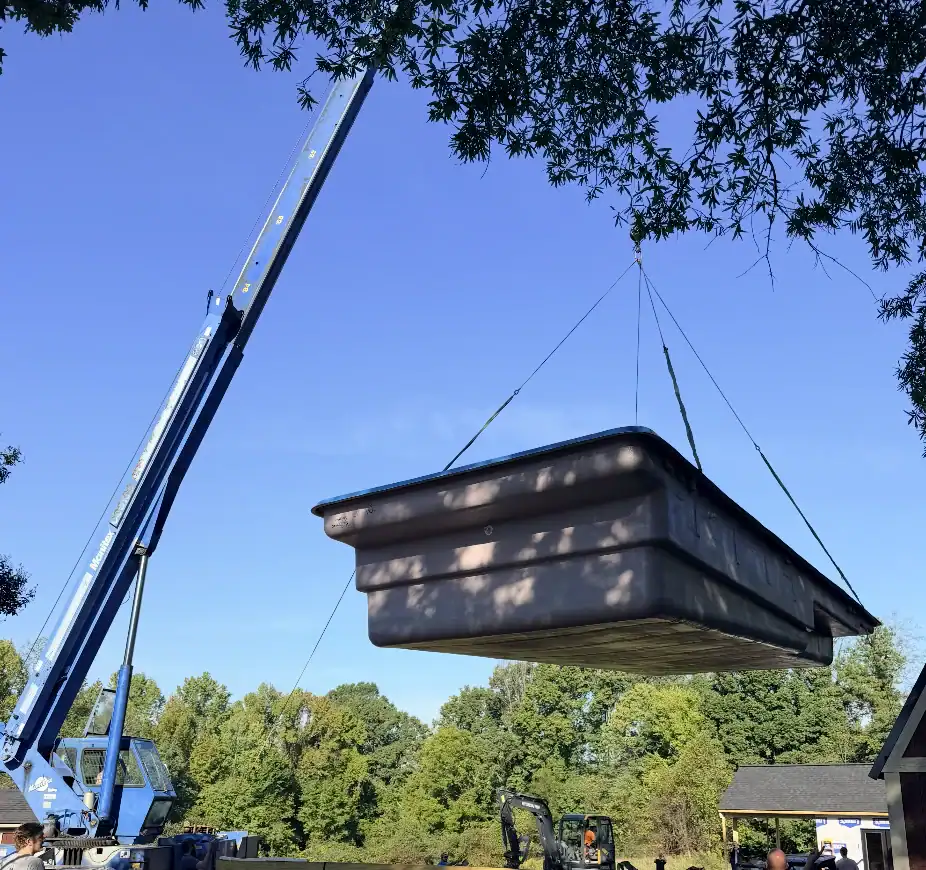
Fiberglass pools are the premier value option for Delaware backyards. Manufactured in climate-controlled factory environments, a fiberglass shell arrives at your home as a fully formed, structurally resilient pool. The smooth gelcoat finish resists algae growth naturally. This drastically reduces weekly maintenance time and lowers ongoing chemical expenses.
Fiberglass also possesses natural flexural strength, allowing the shell to move slightly with winter frost heave rather than cracking under ground pressure. For families seeking a durable, low-maintenance solution that spends more time open for swimming than closed for maintenance, fiberglass is the clear winner.
How Delaware site conditions and permits affect installation
Securing proper approvals is a necessary step before excavation begins on any residential pool project. Delaware pool permit costs and zoning review procedures vary by county and municipality.
This means homeowners in Newark, Dover, and Lewes will each encounter slightly different local administrative requirements. You should always consult your local municipal building department or county code office to verify specific property setbacks, permit fees, and submission requirements before ordering equipment.
Zoning offices generally look at property boundary setbacks, utility easements, and maximum allowable impervious surface coverage on your lot. In coastal communities, drainage plans and environmental buffer zones may require additional review to protect local wetlands.
Safety regulations are uniformly enforced across the state. Delaware building codes require safety barriers around residential pools to prevent unsupervised access. These rules dictate minimum fence heights, self-closing and self-latching gate hardware, and sometimes perimeter door alarms for entrances leading from the home directly to the pool deck. Factoring safety covers and code-compliant fencing into your initial budget avoids expensive redesigns during the final building inspection.
READ OUR FULL DELAWARE POOL PERMITS GUIDE HERE.
Saving money with the owner-builder pool approach
For homeowners comfortable with scheduling and clear communication, the owner-builder path offers substantial savings. By serving as your own general contractor, you eliminate standard retail contractor markups on labor and materials. You purchase your fiberglass shell factory-direct, hire local excavation specialists, arrange crushed stone delivery, and bring in licensed trades for electrical connections.
Managing an owner-builder pool project in Delaware allows you to retain complete authority over your project timeline and material choices. You pay local subcontractors directly for their exact time and materials rather than paying an intermediary a percentage of every invoice. This transparency is why an owner-builder approach typically keeps complete projects within the $30,000 to $50,000 range, leaving an extra $10,000 to $20,000 in your pocket.
Certain project responsibilities are well suited for hands-on homeowners, while others strictly require licensed experts:
- Tasks you can handle directly: Managing permit paperwork, scheduling inspections, ordering stone and gravel, coordinating machinery deliveries, and installing peripheral landscaping.
- Tasks requiring licensed professionals: Heavy excavator operation, crane or boom truck rigging, electrical panel installation and pool bonding, and structural concrete pouring for patio aprons.
This balanced approach keeps your family safe, ensures your pool meets all local building codes, and maximizes your sweat equity.
Financing options to make pool ownership affordable
Investing in a swimming pool enhances your family life and provides lasting entertainment, but paying cash upfront is not always practical or desirable. Exploring flexible financing options allows homeowners to fund their installation without depleting emergency reserves or college savings accounts.
Many families utilize unsecured home improvement loans designed specifically for backyard construction projects. These loans do not require home equity, feature fixed interest rates, and offer straightforward application processes with rapid funding timelines. If you have accumulated substantial equity in your Delaware home, a Home Equity Line of Credit (HELOC) or fixed-rate second mortgage can provide competitive rates and extended repayment schedules.
When planning your financing, calculate the complete project scope, including the shell, delivery, excavation, electrical, concrete decking, safety fencing, and accessories. Pairing direct shell pricing with predictable monthly loan terms ensures your Backyard Oasis remains comfortably affordable throughout its entire lifespan.
A swimming pool can also positively influence property appeal when it comes time to sell. Real estate appraisers generally view a well-maintained, durable fiberglass pool favorably, with typical home value increases falling cautiously within the 5-8% range. The actual return on investment depends heavily on overall neighborhood standards, the quality of surrounding patio landscaping, and local housing market demand.
Bringing your Delaware backyard oasis to life
Constructing an in-ground pool does not have to entail a chaotic, summer-long construction ordeal. Because a fiberglass shell is built in a precision factory environment, on-site installation moves rapidly once excavation begins. The shell arrives on a flatbed trailer, gets lowered onto a prepared crushed-stone foundation, and is leveled, plumbed, and filled with water in a matter of days.
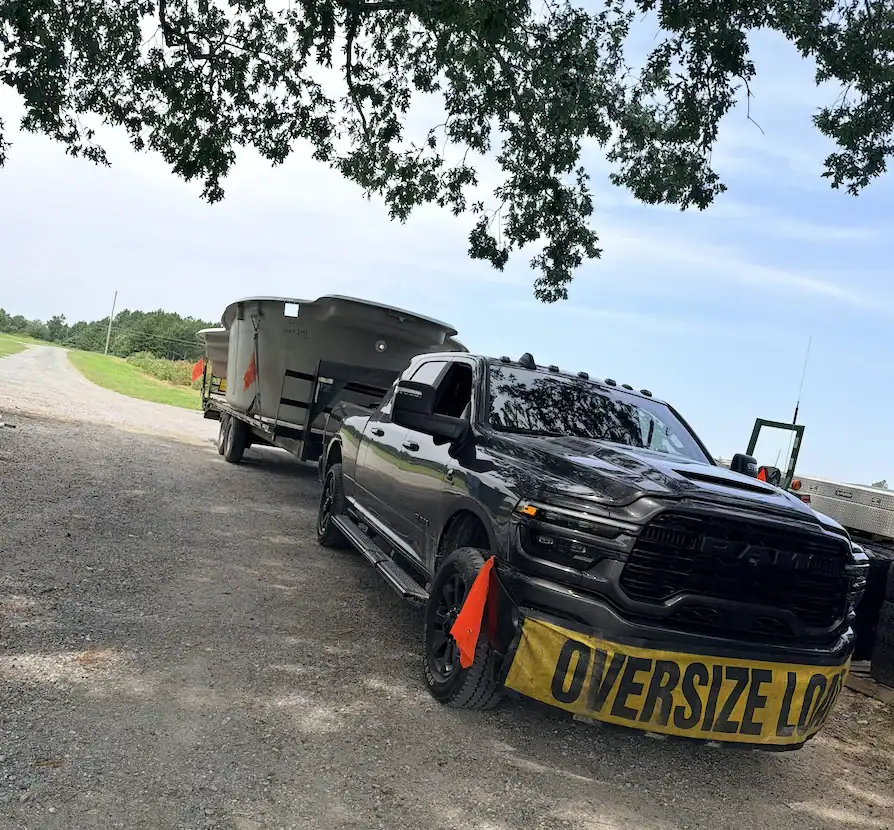
To maximize your family’s swimming time, consider scheduling your project during the late fall or winter months. Delaware excavation contractors and landscapers often have wider calendar availability during the off-season. Completing the heavy digging and shell placement before spring thaw allows surrounding soil to settle naturally. It gives you ample time to complete patio hardscaping and ensures your pool is completely ready for swimming on the very first warm weekend of May.
When you are ready to explore direct pricing, evaluate models that fit your property, and review your financing options, take the next step toward completing your family retreat.
Request Your Free, No-Obligation Quote today, and discover how practical, affordable, and rewarding your Delaware pool project can be.
Latest Posts
How Much Does an In-Ground Pool Cost in Maryland? Your Affordable Family Guide
Georgia Pool Costs: Your Guide to Affordable Inground Fiberglass Pools
Delaware Pool Costs: Get Your Backyard Oasis Sooner and for Less
What Does a Pool Cost in South Carolina? A Family-Friendly Price Breakdown
Adding a Pool to a New-Construction Home: How to Time It Right
How to Choose a Fiberglass Pool Manufacturer You Can Trust
Installing a Fiberglass Pool on a Slope: Retaining Walls and Grading
High Water Table? How to Install a Fiberglass Pool Safely
From Order to First Swim: A Realistic Fiberglass Pool Timeline
Does a Pool Raise Your Homeowners Insurance? What to Expect
Visit Our Blog
Share This Post
(opens in a new tab)
(opens in a new tab)
(opens in a new tab)