

October 19, 2026
/
For the average American family, a swimming pool offers a delightful escape and a place for lasting memories. But what if those memories could stretch beyond the peak summer months, starting earlier in spring and lingering later into fall? This is where a pool heater enters the picture, transforming your backyard into a year-round “Backyard Oasis.” Deciding if a pool heater is worth the investment for your family involves weighing the lifestyle benefits, understanding the costs, and exploring the available options. The answer, for many, is a resounding yes, especially when considering how it extends your season of enjoyment and adds value to your home.
Why Heat Your Pool? Extending the Joy Beyond Summer
Imagine your children splashing in comfortably warm water in May, or enjoying a serene evening swim under the stars in October. That’s the primary benefit of heating your pool: extending your swim season. Without a heater, most pools are truly comfortable for only a few months out of the year, leaving them as underutilized investments for much of the spring and fall. A heated pool, however, invites you to create more moments, more often.
A pool heater doesn’t just expand your calendar; it enhances every swim. The bracing shock of cold water is replaced with an inviting warmth, encouraging longer, more relaxed swims. For families with young children or elderly members, this controlled temperature is particularly beneficial, making the pool a more accessible and enjoyable space for everyone. It means more family fun, more opportunities for exercise, and more cherished memories in your own backyard. It also allows for greater flexibility in your schedule, letting you swim early in the morning or late in the evening without being constrained by air temperature.
Understanding Pool Heater Options: Gas vs. Electric
When considering a pool heater, you’ll generally encounter two main types: gas heaters and electric heat pumps. Each has distinct characteristics that make them suitable for different needs and climates.
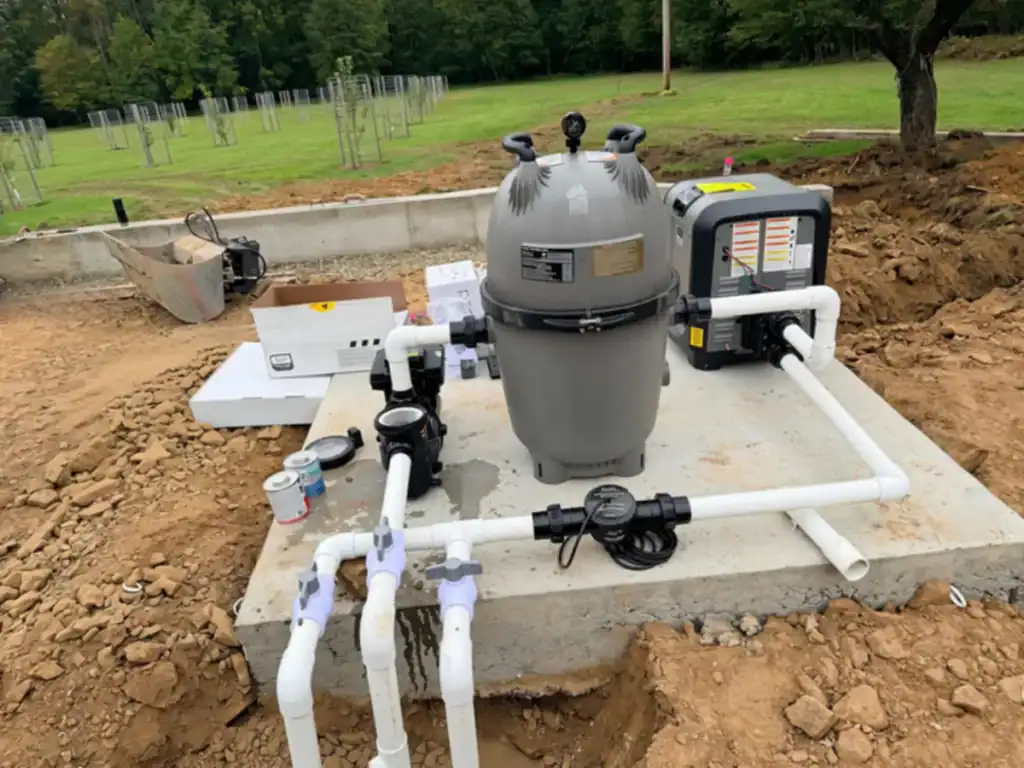
Gas heaters, which run on natural gas or propane, are known for their speed. They can warm your pool water rapidly, making them an excellent choice if you only want to heat your pool occasionally, perhaps for a weekend party or an impromptu swim. They perform consistently regardless of the outside air temperature, making them reliable even on cooler days. However, this quick heating comes with a trade-off: gas heaters can be more expensive to operate for continuous heating due to fuel costs.
Electric heat pumps, on the other hand, are highly efficient, drawing heat from the surrounding air and transferring it to your pool water. They use electricity to run a compressor and fan, but their primary energy source is the ambient air, making them more environmentally friendly and often more affordable to operate for consistent heating. The heating process with an electric heat pump is more gradual than with a gas heater, so they work best when you maintain a steady temperature rather than heating on demand. They are most efficient when ambient air temperatures are mild. For some climates, heater-chiller combos are also available, which can both warm the water in cooler months and cool it down during long, hot summers, offering ultimate comfort control.
Selecting the right type of heater depends on your climate, how often you plan to use your pool, and your budget for both initial investment and ongoing operating costs. Each option provides a path to a more enjoyable swimming experience.
Cost of Ownership: Initial Investment and Ongoing Expenses
Understanding the full financial picture of a pool heater involves looking beyond the initial purchase price to include installation and operating costs. Making an informed decision for your family’s budget is important.
The initial investment for a pool heater can vary significantly based on the type, size, and brand. Gas heaters typically have a lower upfront cost than electric heat pumps, but their installation might involve running a gas line if one isn’t already present, adding to the total. Electric heat pumps often have a higher purchase price but can be simpler to install if your electrical panel has sufficient capacity.
Beyond the purchase and installation, the ongoing operating costs are crucial. Gas heaters, while quick to warm, can be expensive to run continuously due to the cost of natural gas or propane. Their efficiency is measured by BTU output. Electric heat pumps, using ambient air, are generally more efficient for maintaining a consistent temperature, which can lead to lower monthly energy bills if used regularly. Factors like the size of your pool, your desired water temperature, the local climate, and the insulation of your pool (through a cover, for example) all impact how much it will cost to run your heater.
To put the larger picture into perspective, Pool Brokers USA is a manufacturer-direct broker rather than an installer, and publishes transparent pricing: fiberglass pool shells start at just $12,500. A total owner-builder project typically runs $30,000 to $50,000, which includes the pool shell and the costs for excavation, electrical work, permits, and any add-ons like a heater. This approach can save you $10,000 to $20,000 or more compared with full-service installation. When considering a pool heater, it’s an additional component to this overall project cost.
While these costs are a factor, it’s important to remember the value a heater adds in terms of extended enjoyment and potential property benefits. When considering these expenses, remember that financing options are available to make this upgrade more affordable.
Financing Your Pool Heater: Making it Affordable
For the budget-conscious family homeowner, the idea of adding a pool heater might seem like another significant expense. However, there are several ways to make a pool heater an affordable addition to your backyard, ensuring that cost doesn’t stand in the way of extending your swim season. It’s about finding a solution that fits your financial plan.

Many homeowners choose to include the cost of a pool heater in their overall pool financing package. This allows you to roll the expense into a single, manageable monthly payment. Instead of a large upfront outlay, you spread the cost over time, making it much more accessible. This approach can be particularly beneficial for an average American family looking for value and predictability in their home investments.
We understand that transparent, education-first paths to affording a pool are crucial. That’s why we work with dedicated pool-financing partners like VistaFi and HFS Financial. These partners specialize in home improvement loans and can help you explore various options, interest rates, and terms to find a solution that aligns with your budget. They can walk you through the specifics of loans that cover not just the pool shell, but also essential accessories like heaters and installation costs.
By considering financing, you can turn a significant purchase into an affordable monthly investment in your family’s lifestyle and home enjoyment. This means you can start creating those extended-season memories sooner, without undue financial strain.
Will a Pool Heater Increase Your Home Value?
Many homeowners consider adding a pool as an investment in their property, and a pool heater can enhance that value. While a pool itself can make your home more attractive to potential buyers, a heated pool often adds an extra layer of appeal, especially in regions with distinct seasons.
When framed cautiously, a swimming pool can typically increase a home’s value in the range of 5-8%. This isn’t a guarantee, as influencing factors like your home’s location, the quality of the pool, local market demand, and overall backyard landscaping all play a role. However, a pool that is usable for more months out of the year is generally perceived as a greater asset.
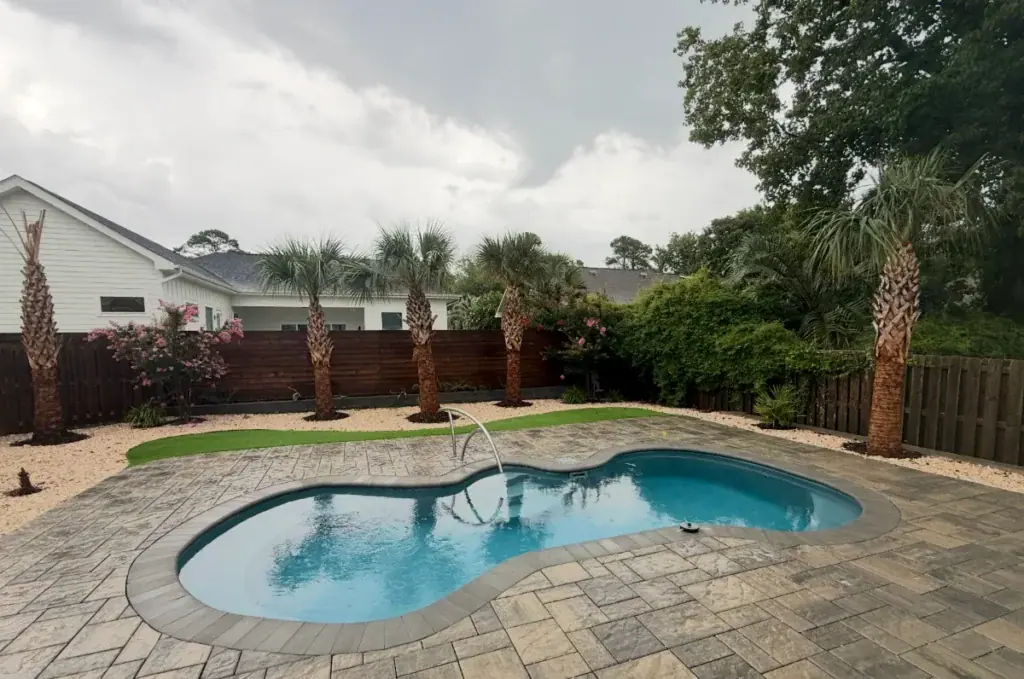
A pool heater contributes to this value by making your pool a more functional and desirable feature. It transforms the pool from a seasonal amenity into a more versatile year-round recreational space. For buyers, the prospect of swimming comfortably in spring and fall, not just summer, can be a significant draw. It suggests a higher quality of life and a better return on their potential investment. In some climates, a heater can even be seen as an essential feature rather than a luxury.
Moreover, a well-maintained, heated pool system speaks to a homeowner who has invested thoughtfully in their property. This attention to detail and enhanced functionality can command a stronger price point and attract a broader range of interested buyers when it comes to sell.
Making the Decision: Is a Pool Heater Right for Your Family?
Deciding whether to invest in a pool heater ultimately comes down to your family’s priorities and how you envision using your “Backyard Oasis.” It’s about weighing the enhanced lifestyle against the costs and ensuring it aligns with your vision for home enjoyment.
Consider how much you value extending your swim season. If your family loves spending time outdoors and would eagerly use the pool earlier in spring and later into autumn, a heater offers immense value. It means more days for cannonball contests, more evening relaxation, and more opportunities for healthy activity right in your backyard. For those with young children, the ability to control water temperature makes the pool much more comfortable and accessible, increasing its use.
Think about your climate. In Florida or other warm regions, a heater might be less about extending the season and more about taking the chill off the water in cooler months, or making early morning and late evening swims more pleasant. In cooler climates, it’s almost essential for maximizing your enjoyment.
Finally, evaluate the financial aspect in context. While there’s an initial cost and ongoing operational expenses, the availability of financing options means you can spread this investment over time. When considered alongside the potential increase in home value and the priceless memories created, many average American families find the benefits far outweigh the costs.
The choice is yours, but for those seeking to maximize their pool’s potential and create a truly flexible and enjoyable backyard experience, a pool heater is often a wise and rewarding addition.
Ready to Extend Your Swim Season?
Bringing a pool heater into your backyard is an investment in comfort, extended enjoyment, and the potential value of your home. It transforms your pool from a summer-only amenity into a versatile “Backyard Oasis” that can be enjoyed for a greater portion of the year. For the average American family, this means more time making memories, more opportunities for recreation, and greater overall satisfaction with their pool ownership. If you’re ready to explore how a pool heater can enhance your fiberglass pool experience and extend your swim season, we’re here to help you understand your options.
Latest Posts
Adding a Pool to a New-Construction Home: How to Time It Right
How to Choose a Fiberglass Pool Manufacturer You Can Trust
Installing a Fiberglass Pool on a Slope: Retaining Walls and Grading
High Water Table? How to Install a Fiberglass Pool Safely
From Order to First Swim: A Realistic Fiberglass Pool Timeline
Does a Pool Raise Your Homeowners Insurance? What to Expect
Installing a Fiberglass Pool in Rocky Soil: Excavation Realities
Fiberglass Pool Costs in Mississippi: Your Guide to Value and Savings
What Does a Fiberglass Pool Cost in Arkansas? Your Complete Guide
Florida Pool Installation Costs: Your Guide to Affordable Backyard Bliss
Visit Our Blog
Share This Post
(opens in a new tab)
(opens in a new tab)
(opens in a new tab)