

A new pool comes with a long list of accessory decisions, and not all of them carry equal weight. For anyone who landed here while still comparing inground swimming pool options, this guide picks up after that decision is made. The best pool accessories fall into four categories: safety gear, comfort and recreation items, equipment that extends your swim season, and tools that keep maintenance simple. Getting the basics right in each category matters more than collecting every product on the market.
Safety Accessories Come First
Every pool needs a few non-negotiable safety pieces before anything else. A secure ladder and handrail give swimmers a stable way in and out of the water, which matters most for kids and older adults. Life jackets sized for every swimmer in the household, not just the smallest ones, cover anyone who isn’t a confident swimmer yet.

Beyond the basics, our Pool Safety Checklist walks through the full list of precautions worth building into a pool routine, from supervision habits to seasonal safety checks. Treat these items as the foundation. Everything else in this guide is about making the pool more enjoyable, not safer.
Best Pool Accessories for Comfort and Fun
Once the safety basics are covered, the fun accessories are what turn a pool into a gathering spot. A floating speaker keeps music going without any cords near the water. Pool floats, whether it’s a simple raft or something more playful like an inflatable animal, give kids and adults a reason to stay in the water longer. A towel warmer means nobody complains about the walk from the pool to the house. Floating drink holders and a lidded storage bin for toys keep the pool deck from turning into a pile of half-inflated gear by August.
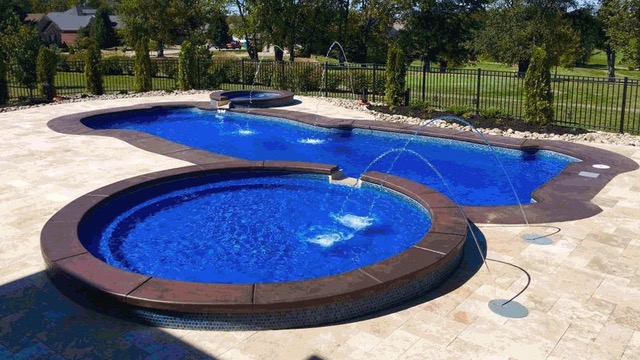
If a hot tub or spa is also part of the plan, our Spas and Accessories page and the Pool Hot Tubs and Accessories guide cover how the two work together in one backyard setup. For layout ideas from other Pool Brokers USA pools, the Pool Gallery is worth a look before buying.
Extending Your Swim Season with a Pool Heater
A pool heater is the single accessory most likely to change how much you actually use your pool. Gas heaters heat water fast and suit occasional use, since they only run when needed. Electric heat pumps cost less over a full season, though they heat more gradually. That tradeoff makes them a better fit for pools used regularly through spring and fall. Solar heaters cost the least to run, but they need consistent sun. Shaded yards and colder climates limit what they can do.

Pool Brokers USA offers gas and electric heater options for both new and existing pools. Our Pool Heaters page breaks down what each type costs to run. Swim Year-Round with Pool Heaters and Maximize Your Swim Season with Winter Pool Heater Sales go deeper into choosing the right one for your climate.
If a heater sounds like the right next step, request a quote and we’ll walk through which option fits your setup and budget.
Pool Covers for Safety and Efficiency
A good pool cover does three things at once: keeps debris and unsupervised entry out of the water, cuts down on water evaporation, and holds in heat overnight. Automatic covers retract at the push of a button and offer the strongest safety barrier, though they cost more upfront. Mesh covers cost less and still block debris effectively. But they let some sunlight and water through, so they suit pools that aren’t left uncovered for long stretches.
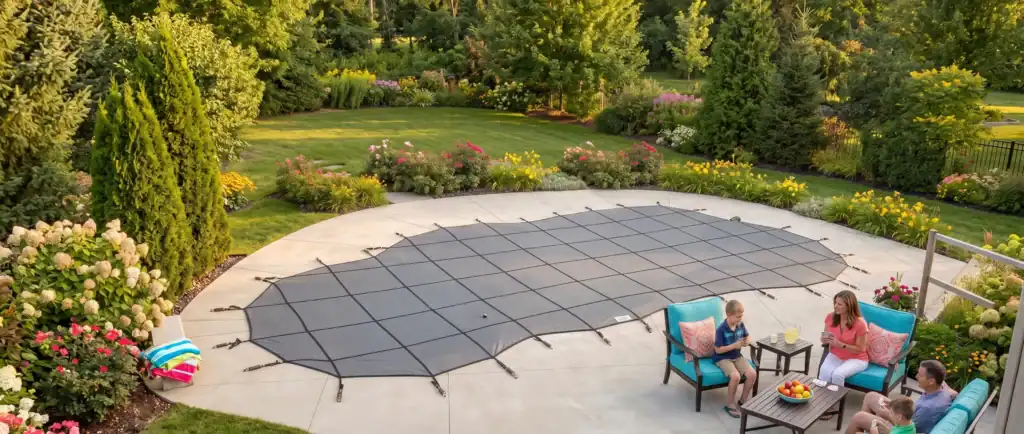
Pool Brokers USA installs both mesh and automatic covers. Choosing the Right Pool Cover walks through which style fits a given pool size, climate, and usage pattern. Our Pool Covers page has the full rundown.
Keeping Your Pool Clean
Regular cleaning keeps algae and bacteria from taking hold and keeps the water balanced between service visits. A skimmer handles leaves and surface debris in under a minute. Pool brushes reach the corners and waterline where algae tends to start. A basic vacuum picks up whatever settles on the floor.
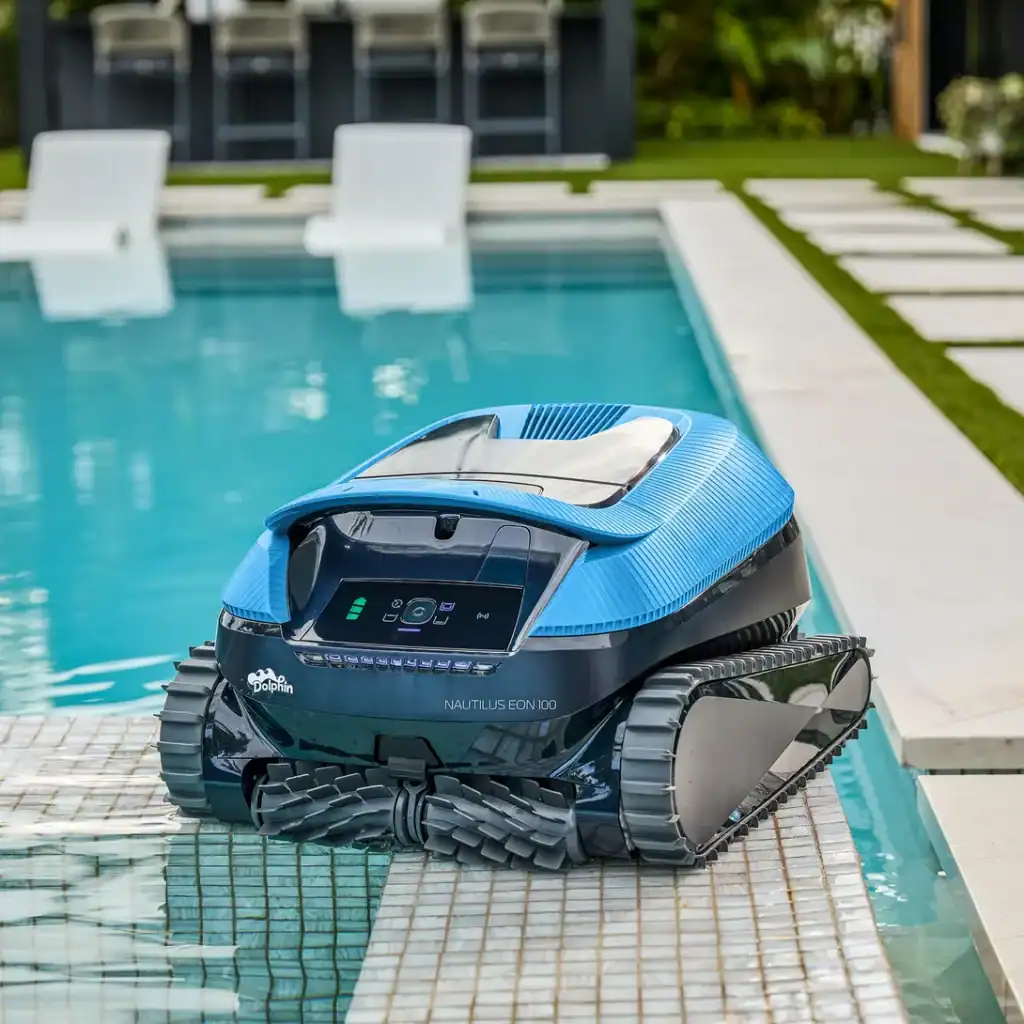
Automatic and Robotic Cleaners
Manual tools work, but they take time every week. A robotic cleaner scrubs floors, walls, and the waterline on its own schedule. It does a more thorough job than most people manage by hand, but it’s the priciest option. Suction-side cleaners connect to the existing filtration system and cost less. They trade some cleaning power for a lower price tag. The right choice comes down to how much weekly maintenance time an owner would rather not spend.
Fiberglass Pool Maintenance: Care & Cleaning and Top Pool Cleaning Tools for Fiberglass Pools cover specific products and routines in more depth. If algae or cloudy water has already become a recurring problem, Fiberglass Pool Problems Explained walks through the most common causes.
The accessories in this guide matter most once a pool is open and in regular use. Tips for Reopening Your Pool After Winter is a good next step for getting a pool ready for the season.
Frequently Asked Questions About Pool Accessories
What accessories does every new pool need?
Every new pool needs a secure ladder or steps, handrails, and life jackets sized for each swimmer in the household before anything else. These safety basics matter more than any comfort or recreation item on the market. Once safety is covered, a skimmer, brush, and basic vacuum keep the water clean between deeper cleanings. Everything past that, from floats to heaters to automatic covers, is about how much you enjoy the pool rather than whether it’s safe to use.
Do I need a pool heater?
A pool heater isn’t required, but it’s the accessory most likely to change how many months a year you actually use your pool. Gas heaters raise the temperature quickly and suit occasional swimming, while electric heat pumps cost less to run over a full season and work well for pools used regularly through spring and fall. Solar heaters cost the least to operate but depend on consistent sun exposure. Pool Brokers USA offers both gas and electric heaters for new and existing pools.
What’s the difference between a mesh and an automatic pool cover?
A mesh cover is a lower-cost option that blocks debris but lets some sunlight and water through, making it a good fit for pools that aren’t left uncovered for long stretches. An automatic cover retracts at the push of a button and provides a stronger safety barrier, since it fully seals the water when closed, though it costs more upfront. Pool Brokers USA installs both styles. The right choice usually comes down to budget and how often the pool sits uncovered.
Are robotic pool cleaners worth the cost?
Robotic pool cleaners cost more than manual tools or suction-side cleaners, but they scrub floors, walls, and the waterline on their own schedule without weekly effort from the owner. Suction-side cleaners connect to the existing filtration system and cost less, trading some cleaning power for a lower price. Manual skimming, brushing, and vacuuming remain the cheapest option but take the most time. Whether a robotic cleaner is worth it depends on how much weekly maintenance time an owner would rather not spend.
How do I maintain my pool?
Regular pool maintenance means skimming debris a few times a week, brushing the walls and waterline to prevent algae, testing and balancing the water chemistry, and running the filter on a consistent schedule. Automatic or robotic cleaners can handle the scrubbing and vacuuming portion of that routine. See How do I maintain my pool? for a complete breakdown of a weekly maintenance schedule.
What does it cost to maintain a pool with accessories?
Maintaining a fiberglass inground pool costs an average of $350 to $400 per year for chemicals, occasional filter cleanings, and basic supplies. Adding accessories like a robotic cleaner, heater, or automatic cover increases the upfront cost but can reduce the time and effort required for weekly upkeep. See What is the cost of maintaining a pool? for a full cost breakdown by pool type.
Can I add pool accessories after installation?
Yes. Heaters, covers, robotic cleaners, and most safety and comfort accessories can be added to an existing pool without major construction. Some additions, like an automatic cover, work best when planned during installation because of how the cover track integrates with the pool deck, but most owners add accessories gradually as their needs change.
The accessories on this list can be added at any point, so there’s no need to decide everything before a pool goes in the ground. If you’re weighing which ones make sense for your budget and how you’ll use the pool, request a quote and we’ll walk through the options together.
Latest Posts
How to Get a Swimming Pool Permit in Virginia: Fiberglass Homeowner’s Guide
Does a Pool Add Value at Resale? What Appraisals and Buyers Say
The Fiberglass Pool Installation Process, Step by Step
Budgeting for a Fiberglass Pool: Every Cost Beyond the Shell
Saltwater Pools: Why Fiberglass Handles Salt Better Than Concrete
Delivery Day Checklist: How to Inspect Your Fiberglass Pool Shell
How Much Time Does Pool Maintenance Really Take?
Shipping Container Pools or Fiberglass: Which Is Better?
Fiberglass vs. Natural Swimming Pools: A Practical Cost and Maintenance Comparison
Fiberglass vs. Gunite Pools: How Construction Method Shapes Lifespan and Care
Visit Our Blog
Share This Post
(opens in a new tab)
(opens in a new tab)
(opens in a new tab)