

October 14, 2026
/
The most important questions to ask before buying a pool fall into five groups: warranty (what’s covered, for how long, and is it transferable), shell and specs (model, size, construction), scope (what the price does and doesn’t include), timeline (permitting, production, install), and total cost (the all-in number, not the shell price). Ask all 15 below before you sign, and the surprises that ambush unprepared buyers won’t be nearly as bad.
A pool is likely the largest purchase you’ll make outside your car and home, yet most buyers walk into it with fewer questions than they’d ask a used-car dealer. That’s backwards.
This is the printable checklist that fixes it: fifteen vetted pool buying questions, grouped by theme, each with a one-line note on why it matters and what a good answer sounds like. Bring it to every consultation, ours included, and you’ll steer the conversation like someone who’s done this before.
Key Takeaways
- 15 questions across 5 themes, warranty, shell specs, scope, timeline, and total cost, cover every surprise that catches unprepared buyers.
- The single most revealing question is “what is NOT included?”, exclusions like fencing, decking, and permits are where budgets break.
- Always ask for the total project cost, not the shell price; complete owner-builder projects run $30,000–$50,000, not the $12,500 starting shell.
- Demand written warranty terms (structural and surface) before signing; a seller who won’t provide them is the biggest red flag in the industry.
- How a seller answers matters as much as what they answer: specific, documented, unhurried responses signal a company you can trust.
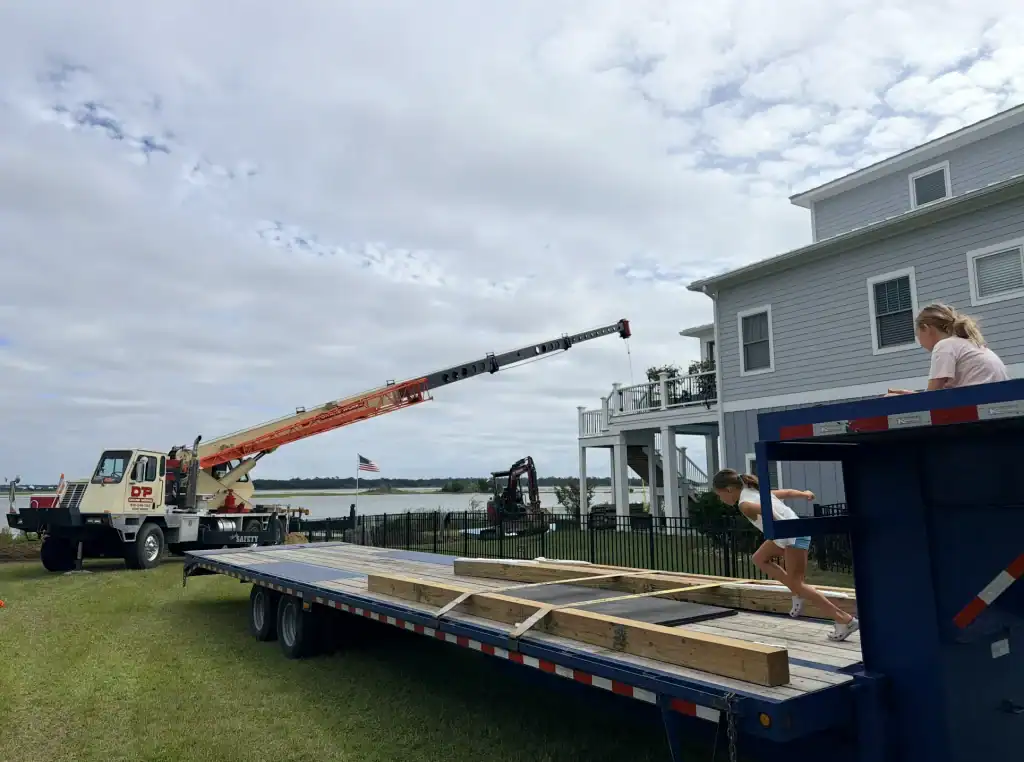
How the right questions protect you
Before the list, understand what these questions actually do: they shift information from the seller’s side of the table to yours.
Every unprepared buyer shares the same vulnerability: they don’t know what they don’t know, so they can’t tell a complete quote from a stripped one, a strong warranty from a vague promise, or a realistic timeline from a hopeful one. These pool buying questions aren’t about distrust; they’re about making the deal legible so you can compare sellers fairly and sign with clarity.
Remember to listen to how the company answers for themselves. Specific, patient, in-writing answers signal a seller confident in their product. Deflection, vagueness, or “don’t worry about that” are exactly what you don’t want.
Warranty questions (1–3)
Warranty is where confident sellers shine and weak ones squirm, so start here.
1. May I see the complete written warranty, structural and surface, before I sign?
This is the industry’s single biggest tell. A seller who provides the documents up front is showing you how claims will go later; one who won’t is the top red flag there is. Read every term before you commit, not after.
2. How long is each coverage, and is any of it prorated?
Structural and surface (gel coat) warranties usually carry different terms. “Lifetime” is a defined word, not a promise, ask what it actually means in the document, and whether the manufacturer’s share shrinks as the pool ages.
3. Is the warranty transferable if I sell my home?
A transferable structural warranty supports resale value; an owner-only one quietly expires at closing. Two-minute question, real payoff later.
Shell and specs questions (4–6)
Next, the pool itself, because “beautiful pool, wrong shell” is an expensive discovery.
4. What model, size, and color am I getting, and can I see the spec sheet?
Confirm the exact model and dimensions in writing. Browse the fiberglass pool models, which range from a compact 8’x10′ up to large family sizes, and make sure the one on the contract is the one you actually want.
5. How is the shell constructed, and is there a vinyl-ester barrier coat?
The barrier coat resists osmotic blistering; a quality manufacturer says yes without hesitation. You’re grading confidence and specificity, not memorizing chemistry.
6. Where is the shell manufactured?
Domestic manufacturing means shorter oversized-load freight and easier warranty service. A real place and a straight answer are what you’re after.
Scope questions (7–9)
Now the group that saves the most money, because scope is where quotes quietly diverge.
7. What exactly is included in this price?
Get the full itemization: shell, excavation, base, plumbing, electrical, decking, startup. A complete answer is a list with line item totals and estimates, not one single number. Make sure you look at financing options for any pool project you’re embarking on.
8. What is NOT included in installation?
The most powerful question on this entire list. Fencing (code-required almost everywhere), decking beyond the basics, landscaping, fill water, utility upgrades, and permit fees routinely sit outside the price.
9. Who handles each trade, and who stands behind the workmanship?
Electrical, gas, and often plumbing need licensed pros. Confirm who performs each and who warrants the install itself. Great pool companies will have great referrals for all of these licensed professions.
Timeline questions (10–12)
Timing questions prevent the “I thought I’d be swimming by now” heartbreak.
10. What’s the realistic timeline from order to first swim?
The honest answer is a range in months, not a hard date. Permitting alone commonly runs 4–8 weeks; production and freight add more. The full sequence is mapped in the pool ordering process.
11. Who pulls the permits, and how long do they take in my county?
Permit speed varies wildly by jurisdiction. A seller who knows your county’s realistic range is a seller who’s worked there. Our comprehensive permit guides may help you understand exactly what’s needed for a pool permit in each state and municipality.
12. What could delay my project, and how are delays handled?
Good sellers name the usual culprits: weather, county backlogs, spring factory queues, etc.
Total-cost questions (13–15)
Finally, the money questions that turn a “price” into a plan.
13. What is the complete, all-in project cost, not just the shell?
This is the number that matters. Complete owner-builder projects typically run $30,000–$50,000; the $12,500 starting shell is only the beginning. The line-item math is in the fiberglass pool installation cost guide.
14. What happens to the price if excavation hits rock or groundwater?
Site surprises are real; a professional defines who pays for what before the dig, not after.
15. What are my purchase-path options, and how do their costs compare?
A good broker offers a real choice: owner-builder (you coordinate trades, save $10,000–$20,000+) or coordinated installation (managed for you through a vetted installer network). If a seller only offers one path, ask why.
How to use the list
- Don’t fire all these question like an interrogation. Work them naturally into the conversation, and take notes on both the answers and the manner.
- Watch for the pattern across answers. One vague response might be an off day; a consistent fog around scope, warranty, or total cost is a decision.
- Remember the importance of responsiveness: the best sellers welcome this pool purchase checklist, because a well-informed buyer is their easiest, happiest customer. Discomfort with scrutiny lets you know that the company you’re working with many not be confident in their process.
Print the list, or keep it on your phone, and bring it to every quote conversation. The company that answers all fifteen in specifics, in writing, without flinching has earned a spot on your shortlist.
The bottom line on questions to ask before buying a pool
The right questions to ask before buying a pool turn a high-stakes, easy-to-regret purchase into a clear, comparable decision: fifteen questions across warranty, shell specs, scope, timeline, and total cost, with “what is NOT included?” and “may I see the written warranty?” leading the pack. Ask them all, note how they’re answered, and the seller who responds in specifics and in writing is the one who’s earned your project.
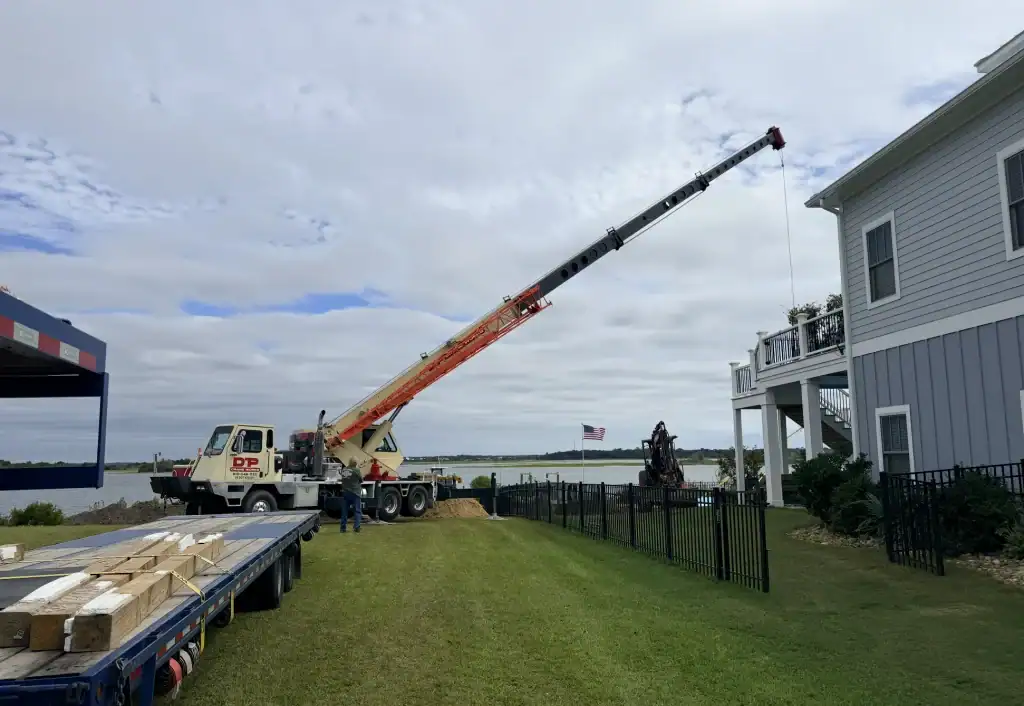
We built our process to answer every one of these on the spot, in writing. Request a free quote, bring all fifteen questions, and put us to the test, scope, warranty, timeline, and the honest all-in total, before you commit a single dollar.
Latest Posts
Adding a Pool to a New-Construction Home: How to Time It Right
How to Choose a Fiberglass Pool Manufacturer You Can Trust
Installing a Fiberglass Pool on a Slope: Retaining Walls and Grading
High Water Table? How to Install a Fiberglass Pool Safely
From Order to First Swim: A Realistic Fiberglass Pool Timeline
Does a Pool Raise Your Homeowners Insurance? What to Expect
Installing a Fiberglass Pool in Rocky Soil: Excavation Realities
Fiberglass Pool Costs in Mississippi: Your Guide to Value and Savings
What Does a Fiberglass Pool Cost in Arkansas? Your Complete Guide
Florida Pool Installation Costs: Your Guide to Affordable Backyard Bliss
Visit Our Blog
Share This Post
(opens in a new tab)
(opens in a new tab)
(opens in a new tab)